
Essential Guide to Foundation Repair: Signs, Solutions, and Preventative Tips for Homeowners
When it comes to homeownership, there’s a lot on your plate—the mortgage, the endless DIY projects, not to mention keeping your home looking spiffy enough to impress the neighbors. One crucial aspect that often gets overlooked until it’s too late is the foundation of your home. Yes, that ever-reliable slab or basement wall that keeps you safe from the perils of the outside world deserves your attention. Let’s explore the essential signs of foundation issues, the solutions available, and preventative tips to safeguard your home from future headaches.
### The Importance of a Strong Foundation
Before we dive into the nitty-gritty of foundation repair, let’s take a moment to appreciate why a solid foundation is paramount. Think of your home as a cake. The foundation is the plate that supports the entire structure. Without it, your cake (or house) starts to crumble—literally! A strong foundation prevents structural damage, maintains your home’s value, and ensures a cozy living environment.
### Signs Your Foundation May Be in Trouble
Now, you might be wondering how to spot potential issues before your home transforms into a scene from a disaster movie. Here are some red flags that indicate your foundation may need some TLC.
#### 1. Cracks in Walls and Ceilings
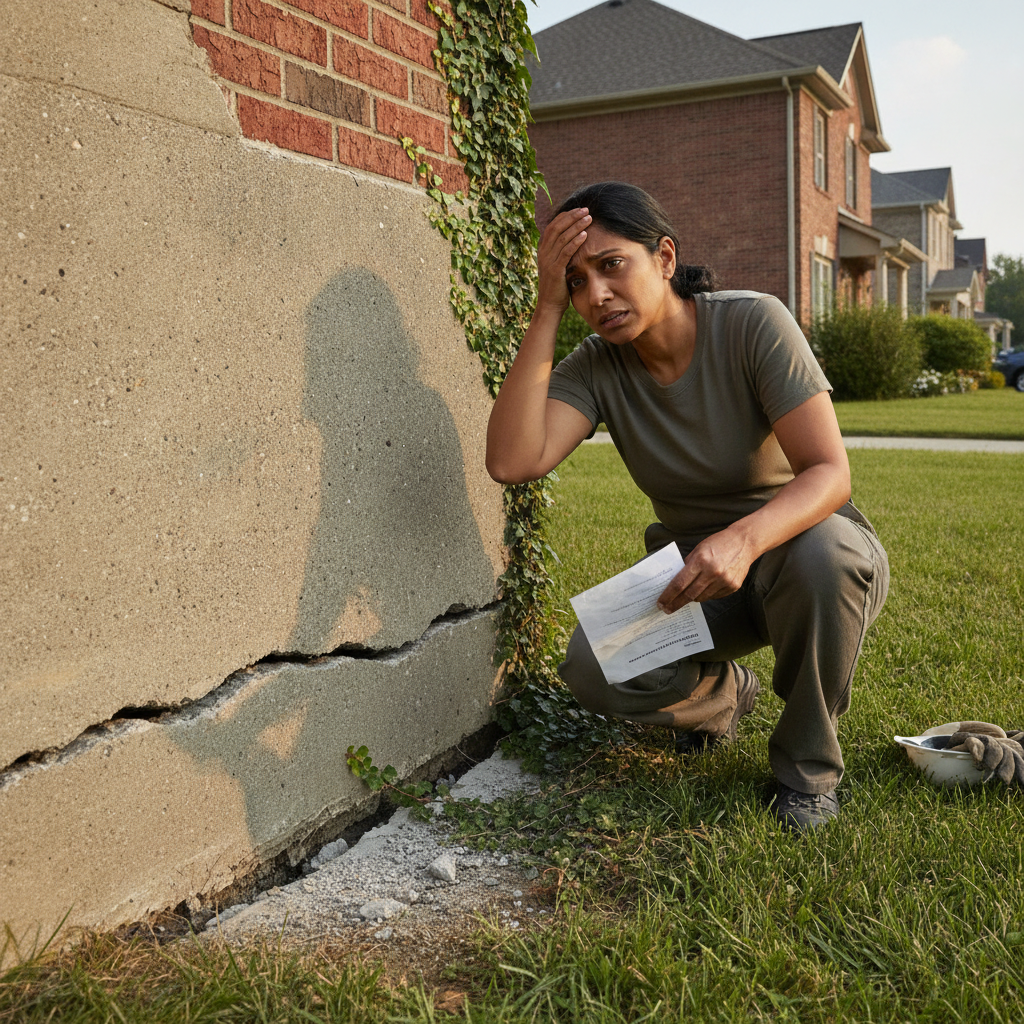
Small cracks can be a normal occurrence due to settling, but if they’re wider than a quarter-inch or appear suddenly, it’s time to investigate. Horizontal cracks are particularly concerning as they could indicate significant pressure on your foundation.
#### 2. Uneven Floors
Have you ever felt like you were walking through a funhouse when you entered your living room? Sloping or uneven floors can signal that your foundation is shifting. If you’ve started to feel like you’re practicing for a role in an unsteady tightrope act, it might be time to call in the pros.
#### 3. Doors and Windows That Stick
Are you struggling with doors that refuse to open without a fight or windows that have taken up a permanent position in the “shut” department? This could be due to the foundation settling, which alters the frame of your home. Your home shouldn’t feel like an escape room!
#### 4. Gaps Around Windows and Doors
If you can fit a finger through gaps around your windows and doors, that’s more than just a draft—it’s a sign that your foundation is moving. Not only does this allow air leaks, but it can also invite pests to your place. Nobody likes unexpected roommates!
#### 5. Water Pooling Near the Foundation
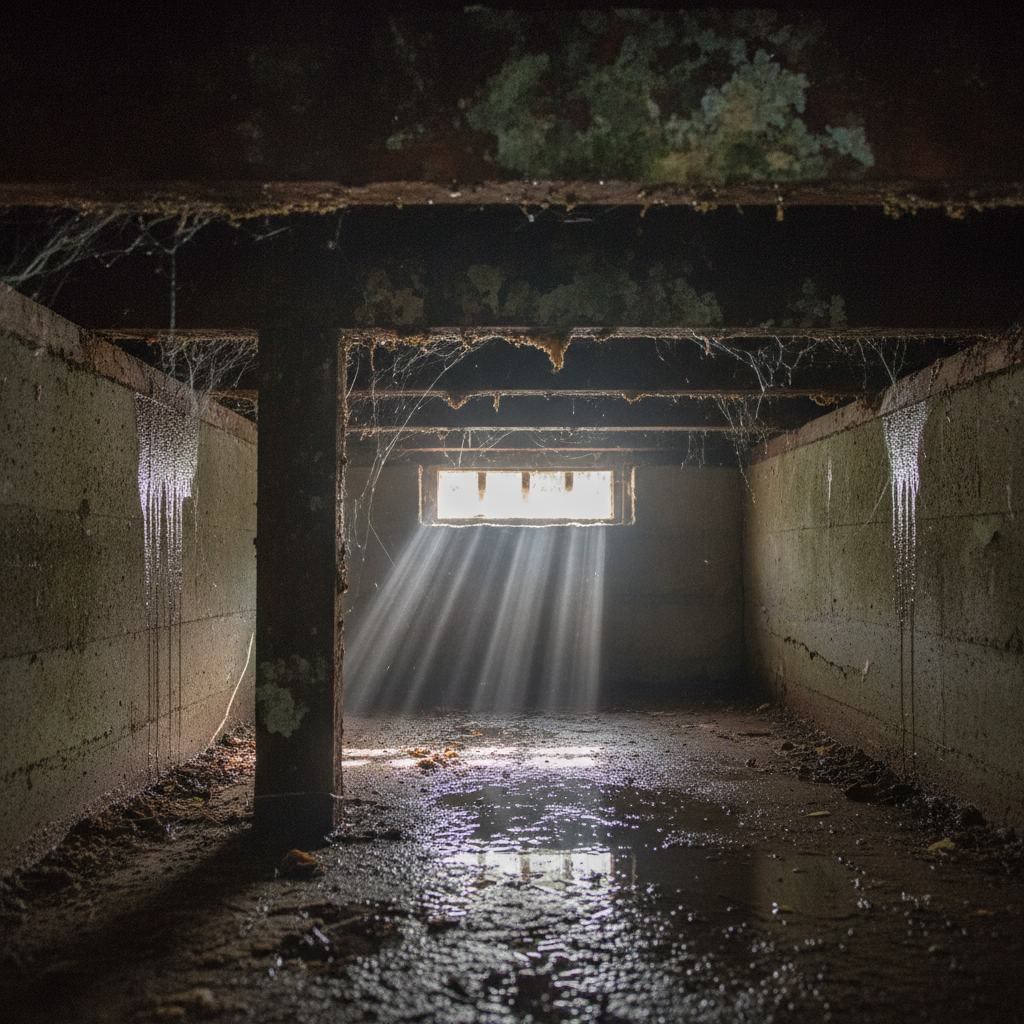
If you notice standing water pooling around your foundation after rain, it could lead to erosion and further foundation issues. This is where you might want to consider drainage solutions—preferably before it turns into a swimming pool situation.
#### 6. Burst Pipes or Plumbing Issues
Sudden plumbing problems can also be a symptom of foundation issues. If you find yourself in a battle against mysterious leaks, do a little detective work; it might just be linked to what’s happening beneath your feet.
### Solutions for Foundation Repair
So, what happens when you’ve identified the signs of trouble? Is it time to toss in the towel and call it a day? Not at all! There are several effective solutions available for tackling foundation issues head-on.
#### 1. Foundation Piers
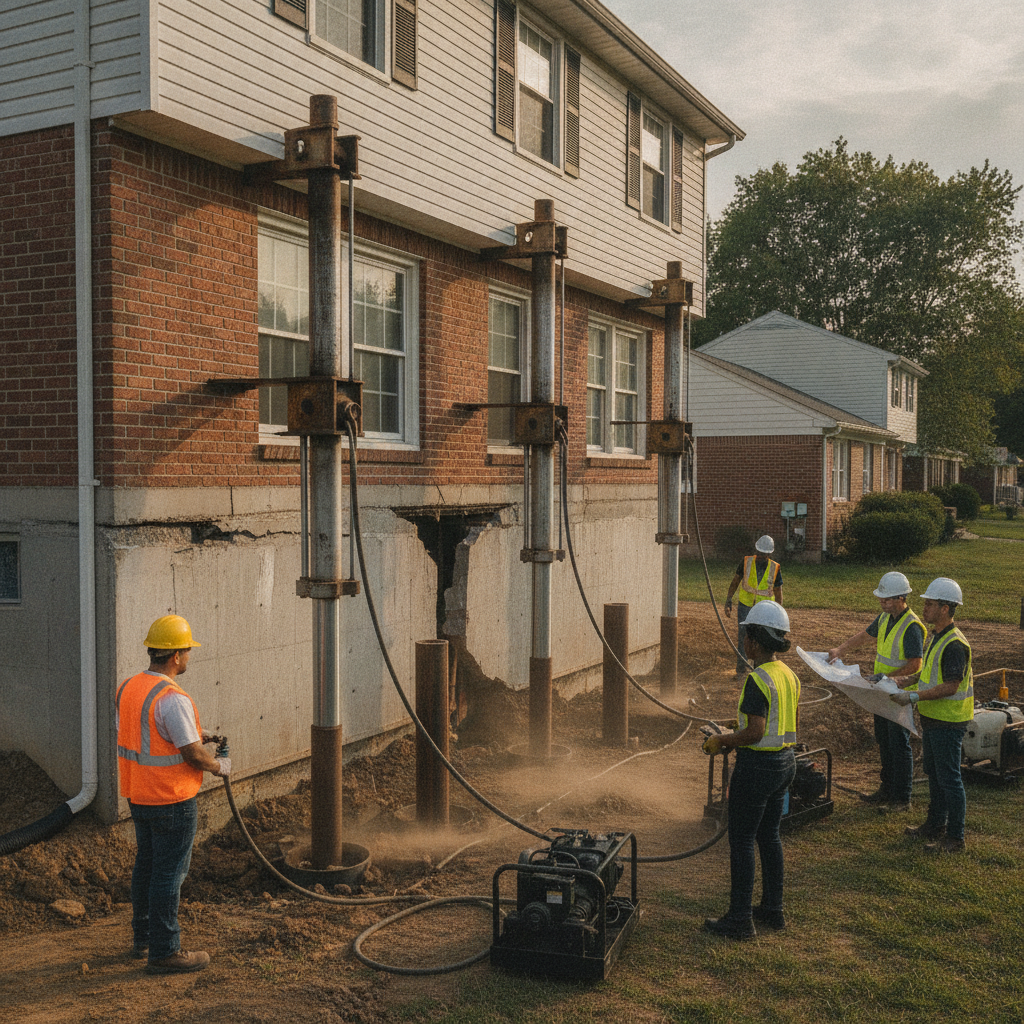
One of the most commonly used methods for stabilizing a sinking foundation is the installation of piers. This technique involves digging deep beneath your foundation and placing steel piers to lift it back to its original level. It’s a solid choice for homes facing significant settlement.
#### 2. Slabjacking
If you have a concrete slab that has sunk, slabjacking could be your best bet. This method involves injecting a mixture of polyurethane foam beneath the slab to raise it back into place. Think of it as giving your concrete a well-deserved lift!
#### 3. Wall Anchors
For bowing walls or those showing signs of stress, wall anchors can be a great solution. These anchors are installed on the interior walls of basements and are tensioned to stabilize the foundation walls. It’s like a supportive hug for your home’s walls!
#### 4. Waterproofing
In areas prone to moisture problems, waterproofing your foundation prevents water intrusion and keeps your home dry. This is especially vital if you live in a region with frequent downpours. Nobody wants a basement that doubles as a fish tank!
#### 5. Grading and Drainage
Fixing grading issues around your property can redirect water away from the foundation. Ensuring proper drainage by installing French drains or gutters can make a significant difference in preventing water-related foundation problems.
### Preventative Tips for Foundation Maintenance
An ounce of prevention is worth a pound of cure, especially when it comes to your foundation. Here are some preventative tips to help ensure your home stays as stable as a well-crafted cake.
#### 1. Monitor Moisture Levels
Maintaining consistent moisture levels around your foundation is key. Too much water can erode your foundation, while too little can cause it to settle. Aim for a balance—just like your favorite dessert recipe!
#### 2. Regular Inspections
Schedule regular inspections of your foundation and surrounding areas. Catching problems early can save you a hefty sum later on. You wouldn’t skip that annual checkup with your dentist, right? Treat your home with the same care!
#### 3. Maintain Gutters and Downspouts
Ensure your gutters and downspouts are in good working order. Clogged gutters can lead to water pooling around your foundation, akin to inviting trouble over for tea. Clean them out regularly to keep everything flowing smoothly.
#### 4. Landscaping Considerations
Your landscaping choices matter! Avoid planting large trees too close to your foundation, as their roots can cause damage. Instead, opt for bushes that play nice with your home’s structure. Think of it as choosing friends wisely!
#### 5. Use Foundation Vents
In crawl spaces, use foundation vents to promote airflow and reduce humidity. Keeping things airy will help protect your foundation from moisture buildup. After all, nobody likes a stale environment!
### When to Call in the Professionals
While many homeowners are capable of performing routine maintenance, there are times when it’s best to hire professionals. If you notice any of the alarming signs mentioned earlier or if you feel overwhelmed by the prospect of DIY repairs, don’t hesitate to call a licensed foundation repair specialist. They have the expertise and tools necessary to address serious issues and provide peace of mind.
### Conclusion
Your foundation is more than just a slab of concrete or a pile of bricks; it’s the very backbone of your home. By recognizing warning signs, understanding repair solutions, and employing preventative measures, you can ensure the stability and longevity of your abode. Remember, a little bit of maintenance goes a long way, saving you both time and money in the long run. Invest in your foundation today, and you’ll sleep soundly tomorrow, knowing that your home is built to last!