
I was having coffee over at Smelly Cat Coffeehouse in NoDa the other morning, chatting with a friend who’s just bought their first home in Charlotte. They were telling me about all the little projects on their list, and then they paused. “You know,” they said, “I’ve been looking at my crawl space, and it’s got these open vents. My grandpa always said they were important for air flow, but my home inspector mentioned something about crawl space encapsulation and sealing them off. What’s the deal?”
It’s a question I hear a lot, honestly. For decades, the conventional wisdom was to keep those crawl space vents open, letting fresh air circulate. The idea was to dry out moisture. But here’s the truth: for homes in places like Charlotte, with our crazy humidity, those open vents often do more harm than good. They actually let in more moisture, pests, and unconditioned air, creating a whole host of problems. That’s why understanding the **best practices for sealing off crawl space vents in Charlotte** has become such a hot topic.
Why Sealing Off Crawl Space Vents in Charlotte is a Smart Move
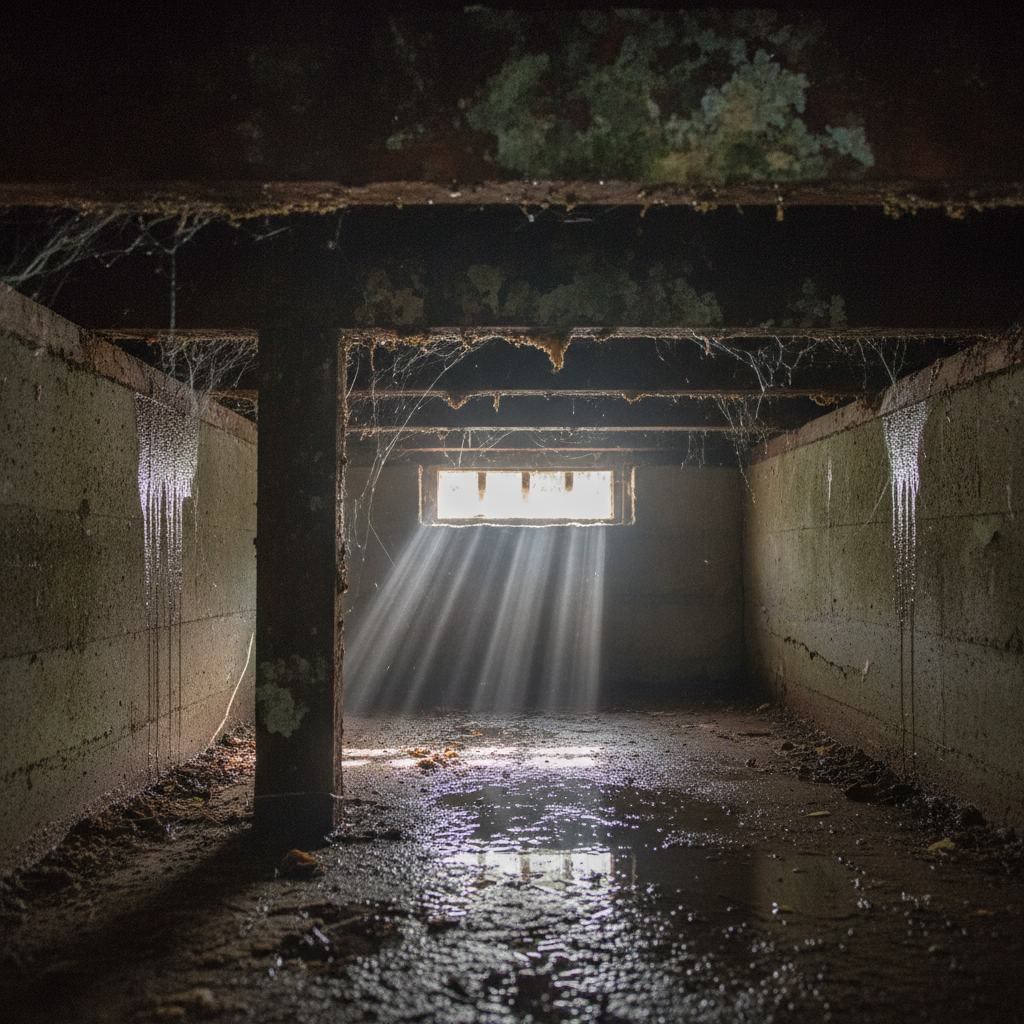
Let’s be real for a second. Our climate here in Charlotte is… a lot. Hot, muggy summers and damp winters mean our crawl spaces are constantly battling moisture. When you have open crawl space vents, you’re essentially inviting that humid, outdoor air right into an enclosed space under your home. What happens then?
- Moisture Build-Up: Warm, humid air hitting cooler surfaces in your crawl space leads to condensation. And where there’s condensation, there’s moisture. This creates a perfect breeding ground for mold and mildew, which can mess with your indoor air quality and even damage your home’s wooden structure.
- Pest Party: Those open vents? They’re basically tiny doors for critters like rodents, snakes, insects, and even larger animals looking for shelter. Sealing them off helps keep unwanted guests out.
- Energy Drain: Your HVAC system is working overtime to heat and cool your home. If you’ve got open vents, that conditioned air from your home is leaking out, and unconditioned air is creeping in. It’s like trying to cool your house with the windows open. Your utility bills will definitely feel the pinch.
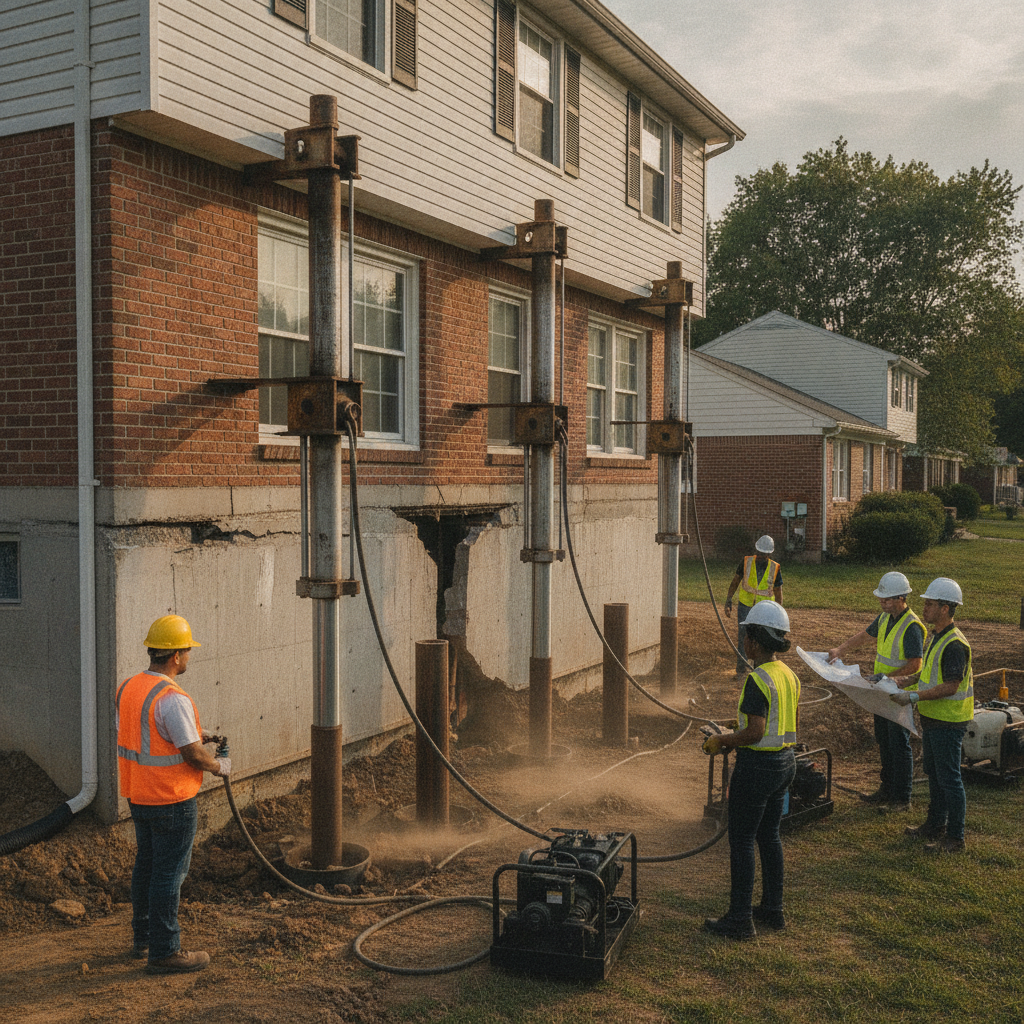
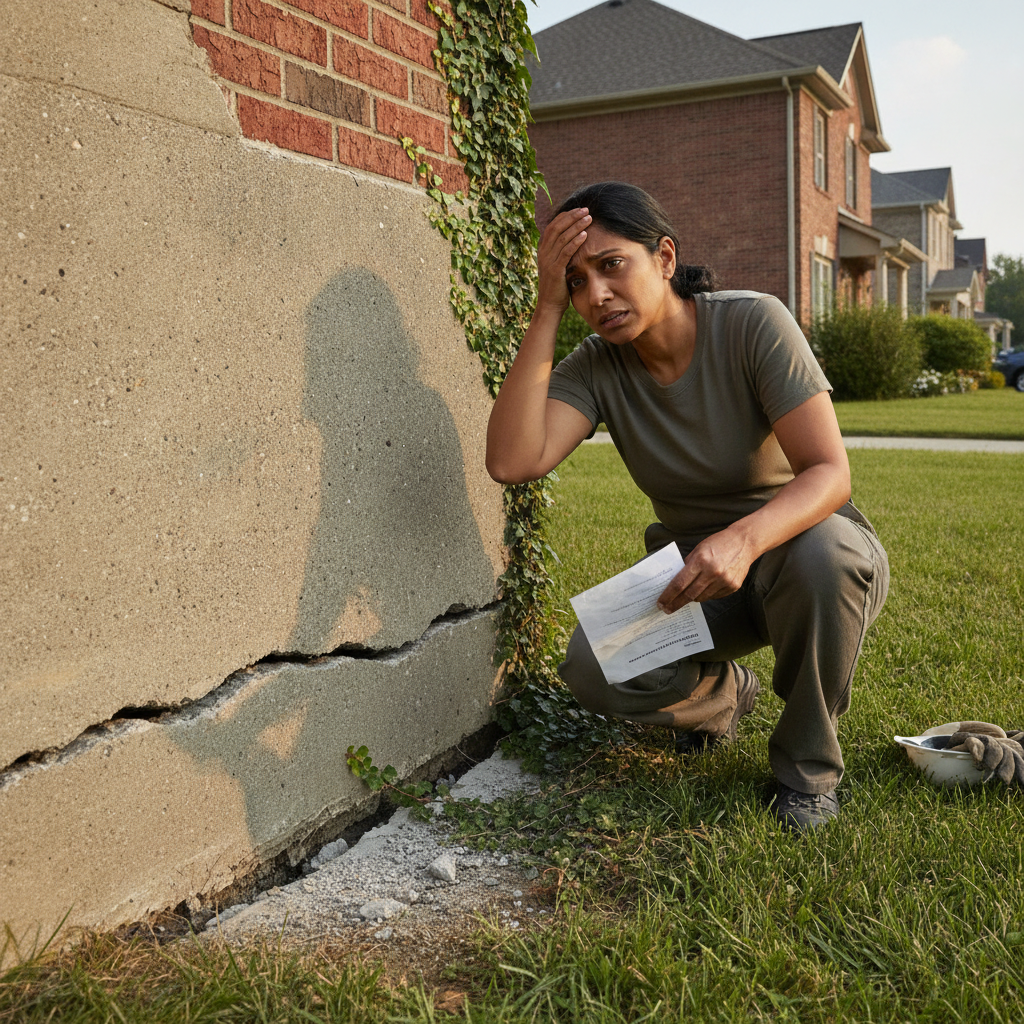
- Foundation Worries: Persistent moisture can weaken wooden floor joists and other structural components over time. This can lead to sagging floors and other foundation issues.
So, those vents that were supposed to help? In our modern understanding of home science, they’re often doing the exact opposite in humid climates. The whole game has changed, which is why professionals like Piedmont Foundation Repair now recommend sealing them.
What This Really Means for Your Home
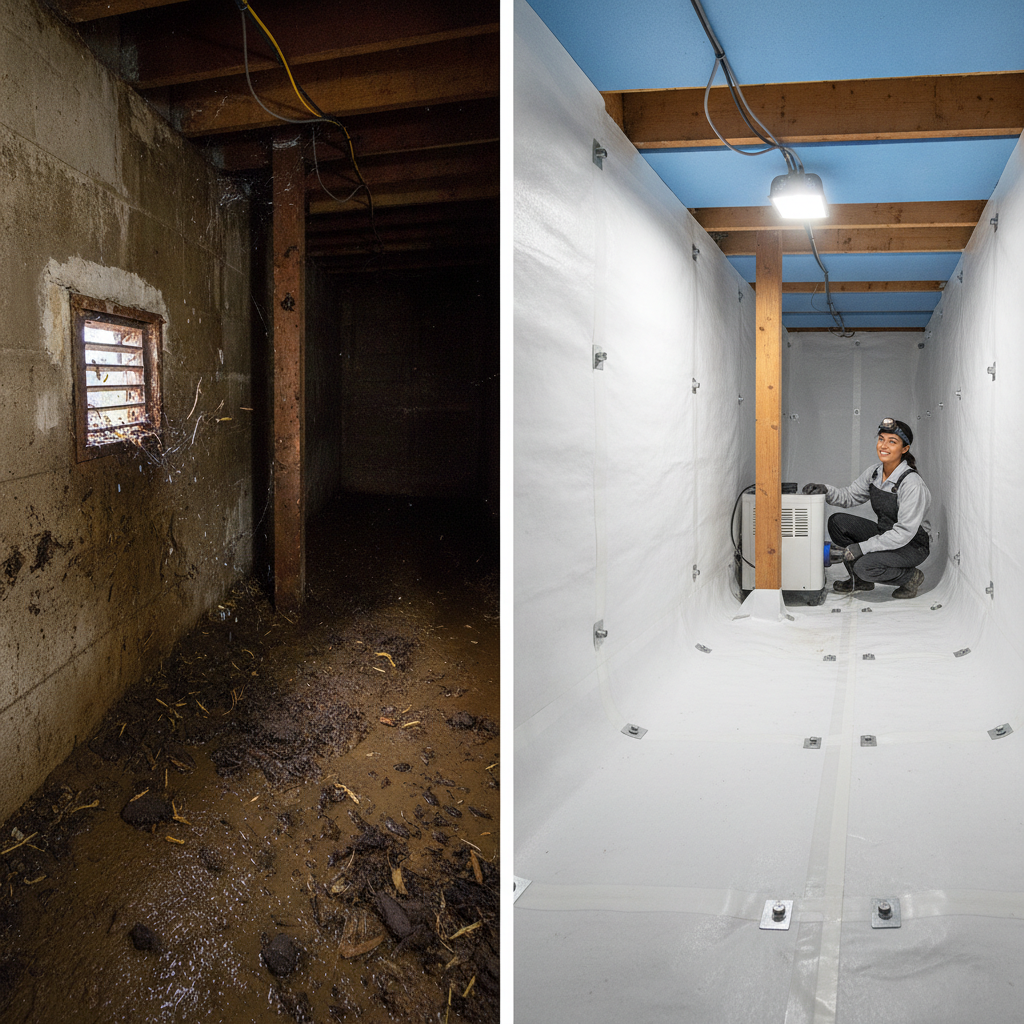
When we talk about sealing off crawl space vents, we’re usually talking about it as part of a larger strategy: crawl space encapsulation. This process involves completely sealing off the crawl space from the outside elements and typically includes installing a heavy-duty vapor barrier on the ground and walls, sealing vents, and often installing a dehumidifier. (I remember feeling totally lost about this stuff when I first bought a house, so don’t worry if it sounds like a lot!)
Here’s what you can expect when you implement these best practices:
- Improved Air Quality: Less mold and mildew means cleaner, healthier air inside your home. No more damp, musty smells wafting up from below.
- Lower Energy Bills: By keeping unconditioned air out and preventing leaks, your HVAC system doesn’t have to work as hard, saving you money month after month.
- Pest Prevention: A sealed crawl space means fewer entry points for pests, making your home less inviting to unwelcome visitors.
- Structural Integrity: Protecting your foundation and wooden structures from moisture helps prevent costly repairs down the line.
A Real-Life Moment
I was talking to a client, Mark, who lives near Freedom Park in Charlotte. For years, he’d dealt with slightly sagging floors and a persistent musty smell whenever he opened a vent in the house. He’d always attributed it to “just an old house.” But then his power bill started creeping up, and he noticed more bugs than usual. He called Piedmont Foundation Repair for an assessment. They found significant moisture in his crawl space, largely due to those open vents letting in the humid Carolina air.
Piedmont recommended and installed a full crawl space encapsulation system, which, of course, included **sealing off crawl space vents**. Mark told me a few months later that the musty smell was gone, his floors felt more solid, and his utility bill dropped by about $60-75 a month. He even said he hadn’t seen a single palmetto bug inside since the work was done. It really made a difference for him, both in comfort and in his wallet.
What Happens Next
If you’ve got open crawl space vents, especially in a humid climate like ours, it’s worth thinking about what they might be doing to your home. It’s one of those “out of sight, out of mind” areas, but it can impact so much – from your indoor air to your energy bills and even your home’s structural health.
The good news is, you don’t have to figure it out alone. If you’re in Charlotte and curious about the best practices for sealing off crawl space vents, or if you suspect you might have moisture issues under your home, reach out to the pros at Piedmont Foundation Repair. They can do a thorough inspection and help you understand exactly what your home needs to stay dry, healthy, and energy-efficient. It’s a small step that can lead to some really big, positive changes for your home.