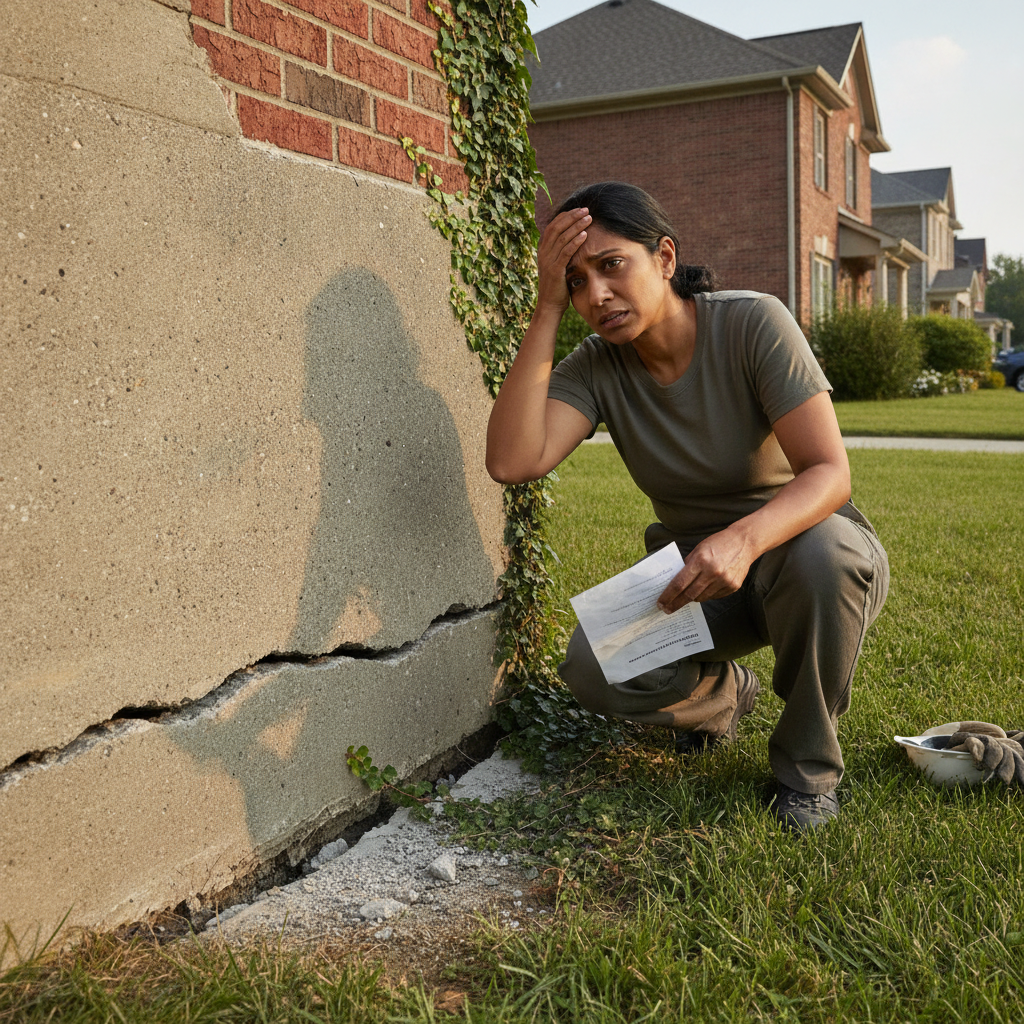

Picture this: It’s a classic North Carolina summer day, maybe mid-June. The kind where the air just hangs heavy, thick enough to cut with a knife. You walk into your house in Charlotte, expecting that sweet, cool relief from your AC, but instead, you get a faint whiff of… well, dampness. A little musty, maybe even a touch sticky. You know the feeling, right? It’s not quite what you pictured when you invested in that cozy home. And honestly, it’s a pretty common story around here, especially with our notoriously humid weather.
You see, a lot of what goes on in our homes, especially with that humidity, starts right under our feet. I’m talking about your crawl space. For ages, folks just thought, “out of sight, out of mind,” when it came to that dark, often forgotten area. But here’s the truth: that crawl space is actually a huge player in how your entire home feels, breathes, and even how much you’re shelling out for energy bills. What I didn’t expect was just how much a simple solution, like crawl space encapsulation, could totally flip the script.
Let’s Clear Something Up: Why Humidity is the Enemy
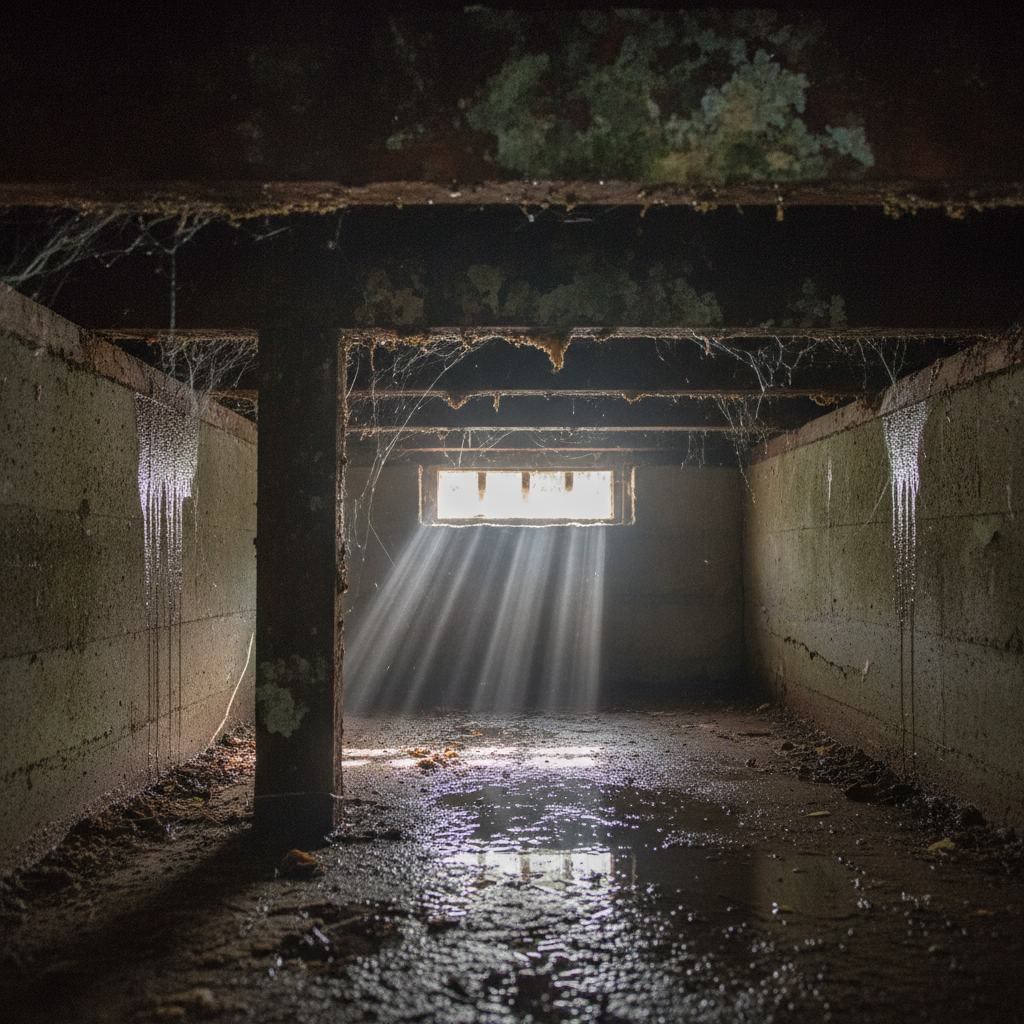
Our beautiful humid North Carolina climate, while great for lush greenery, is a real headache for homes, especially when it comes to moisture. An open or vented crawl space is basically an invitation for all that summer dampness to move right in. Think of it like a giant, uncontrolled sauna right under your living room. This isn’t just about feeling a bit clammy inside; it leads to bigger problems. We’re talking mold growth, wood rot that can mess with your home’s structure, and even a lovely breeding ground for pests like termites and roaches. Plus, a good chunk of the air you breathe inside your home actually rises from that crawl space. Who wants to breathe musty, moldy air? Not me, that’s for sure.
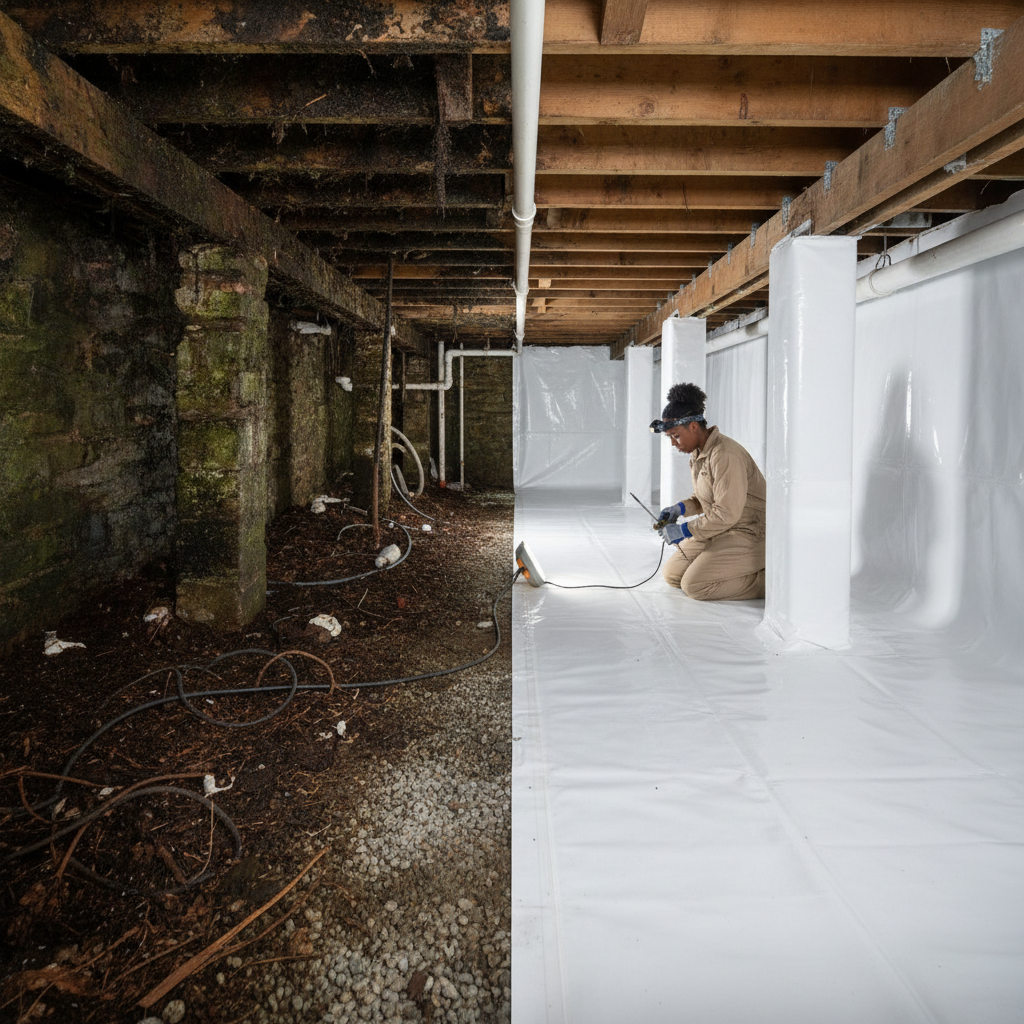
And here’s where it gets interesting: the benefits of crawl space encapsulation in humid North Carolina really shine. Encapsulation isn’t some fancy, complicated sci-fi thing (I remember thinking it sounded like a spaceship thing at first!). It’s actually a pretty straightforward process of sealing off your crawl space from the outside world. This involves installing a heavy-duty vapor barrier on the ground and walls, sealing off vents, and often adding a dehumidifier to keep things consistently dry and clean down there. It’s like giving your home a healthy, protective bubble.
The Real Perks of a Sealed Crawl Space
Once your crawl space is encapsulated, a bunch of good things start to happen. It’s not just about stopping the damp smell, though that’s a huge win itself. Here are some of the practical benefits I keep seeing:
- Better Indoor Air Quality: This is a big one. By sealing out moisture and preventing mold, you dramatically reduce allergens and pollutants rising into your living space. You’ll notice the air just feels fresher and cleaner.
- Lower Energy Bills: Believe it or not, a damp crawl space makes your HVAC system work way harder to cool and heat your home. With a dry, controlled environment under your house, your AC won’t have to fight the humidity anymore, which means less strain on your system and more money in your pocket.
- Pest Control: Bugs, rodents, and other creepy crawlies love damp, dark places. Take away the moisture and the easy entry points, and your crawl space becomes a much less appealing hangout for unwanted guests.
- Structural Protection: Excess moisture can cause wood beams and floor joists to rot and weaken over time. Encapsulation protects these vital components, extending the life of your home’s foundation and preventing costly repairs down the line.
- Increased Home Comfort: No more damp, sticky feeling. Your home will feel consistently more comfortable and less prone to temperature fluctuations.
A Quick Example
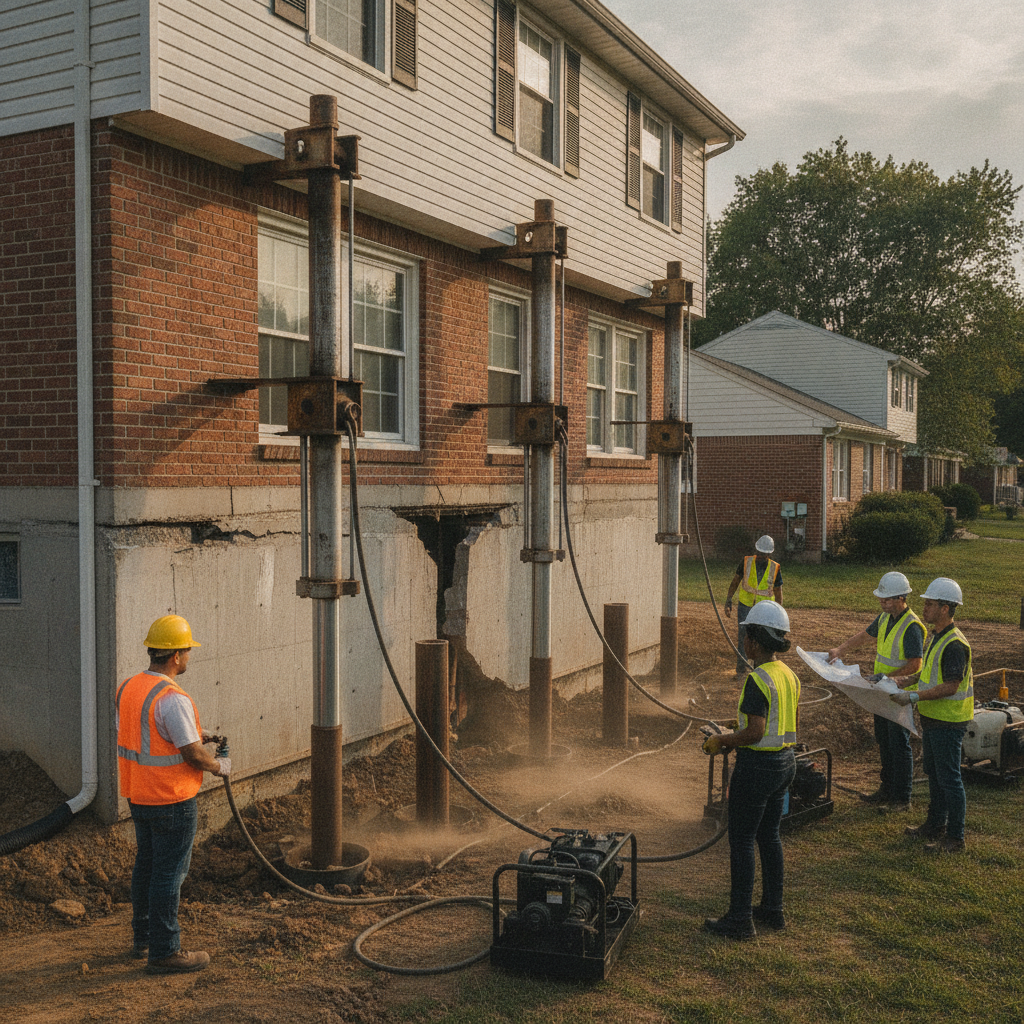
I was chatting with a client, Mark, up in Greensboro earlier this week. He had been dealing with a persistently musty smell and noticeably higher energy bills for years. His kids were always sniffling, too, and he just couldn’t figure out why. He called up Piedmont Foundation Repair to check out his foundation, and during the inspection, they pointed out the state of his crawl space. It was a mess, full of moisture and clear signs of mildew. After they installed a full encapsulation system last fall, Mark said it was like living in a different house.
“The air feels so much cleaner,” he told me, “and that damp smell? Gone. Plus, my last power bill was the lowest it’s been in years, even with the AC running!” He even mentioned his son’s seasonal allergies seemed a bit better this year. It’s a small detail, but it speaks volumes about the impact a truly dry, controlled crawl space can have.
What You Can Do Next
When you look at all the benefits of crawl space encapsulation in humid North Carolina, it’s pretty clear that it’s more than just a home improvement; it’s an investment in your comfort, your health, and your home’s long-term well-being. If you’re nodding along, recognizing some of these issues in your own home, it might be time to take a peek under your house.
If this feels like a lot to tackle, or if you’re just not sure where to start, honestly, the best first step is to get a professional assessment. Folks like the team at Piedmont Foundation Repair know exactly what they’re looking for. They can walk you through what’s happening in your specific crawl space and show you how encapsulation can make a real difference. It’s about taking control of your home’s environment, especially as we head into another long, humid summer. Your home (and your nose!) will thank you.