
Transform Your Home’s Stability: Essential Insights on Foundation Repair Solutions
As the saying goes, “A house is only as strong as its foundation.” If you’ve ever noticed cracks in your walls, doors that stick like they’re auditioning for a drama role, or uneven floors that feel like they belong in a funhouse, it’s time to address the elephant in the room—or rather, the foundation under it. This article will delve into essential insights about foundation repair solutions that can help transform your home’s stability, ensuring it remains a safe, secure, and enjoyable sanctuary.
Understanding Your Home’s Foundation
Before we dive into the nitty-gritty of repair solutions, let’s take a moment to appreciate what lies beneath our feet. The foundation of your home supports the entire structure, so any issues here can lead to a cascade of problems. There are various types of foundations, including slab, crawl space, and basement foundations, each with its own quirks and challenges.
A proper foundation should ideally rest on stable soil that can bear the weight of your home. Factors such as moisture levels, soil composition, and environmental changes can cause the ground beneath your home to shift, leading to foundation issues. So, if you find yourself dealing with more than a few cracks and creaks, it’s time to get educated on solutions before your house decides to take a permanent vacation in a leaning position.
Common Signs of Foundation Problems
Spotting the signs early can save you a lot of headaches down the road—trust us, nothing breaks the joy of homeownership like an unexpected bill due to foundation repairs. Here are some common indicators that your home might need some foundational TLC:
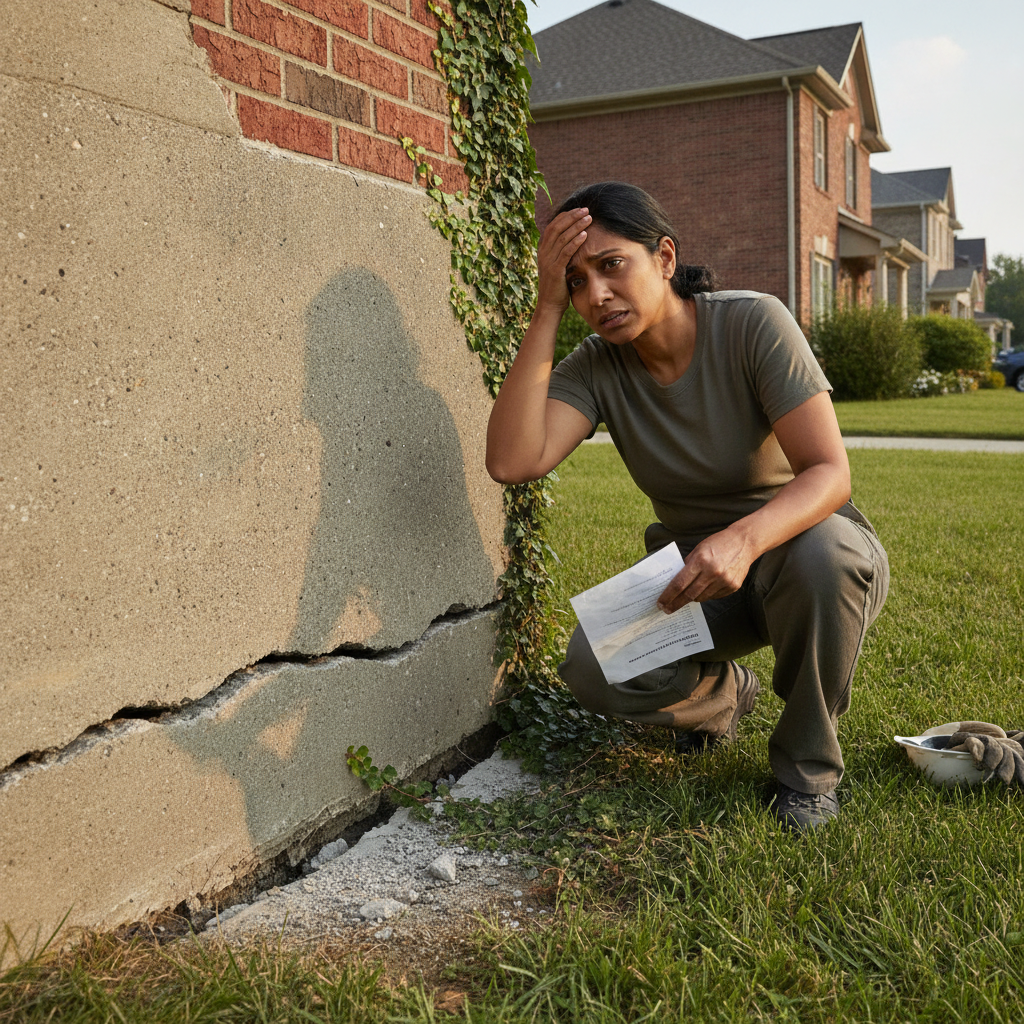
1. **Cracks in Walls or Ceilings**: Small hairline cracks are generally normal, but large cracks (especially those wider than a quarter of an inch) can indicate serious issues.
2. **Doors and Windows Not Closing Properly**: If your doors and windows start to jam or no longer close properly, it could be a red flag indicating shifting.
3. **Uneven Floors**: If you find yourself playing a game of “will I trip or won’t I” due to sloping or bouncy floors, something may be awry with your foundation.
4. **Gaps Around Windows and Doors**: Noticeable gaps can indicate that your foundation is sinking or shifting.
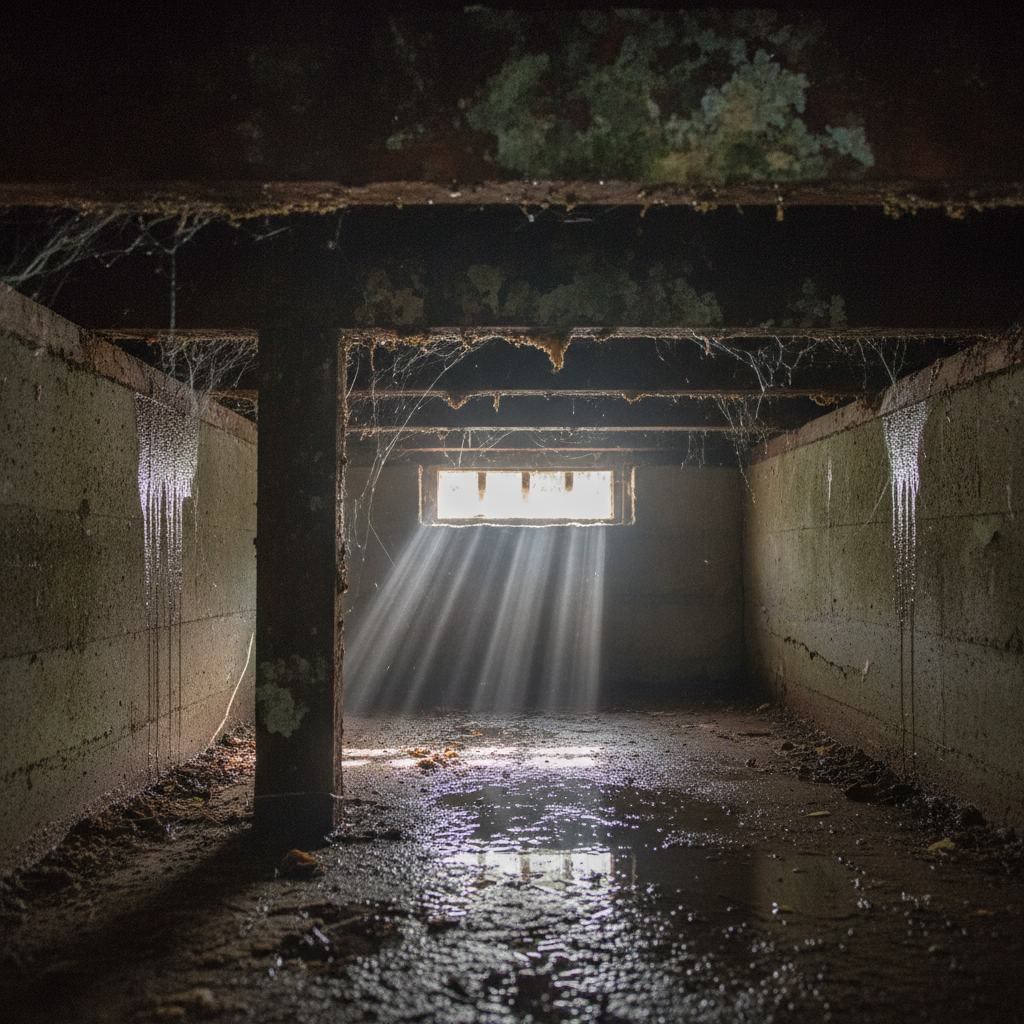
5. **Basement Moisture**: Water pooling in your basement or persistent dampness can signal problems with drainage around your foundation.
6. **Chimney Leaning Away from the House**: If your chimney looks like it’s taking a scenic detour, this could also point to foundation issues.
Foundation Repair Solutions: Finding Your Fix
If you’ve identified potential foundation problems, don’t panic! Several effective repair solutions can help rectify these issues. Each method has its own set of circumstances where it’s most effective, as well as varying costs associated with the work. Let’s explore some of the most common foundation repair methods.
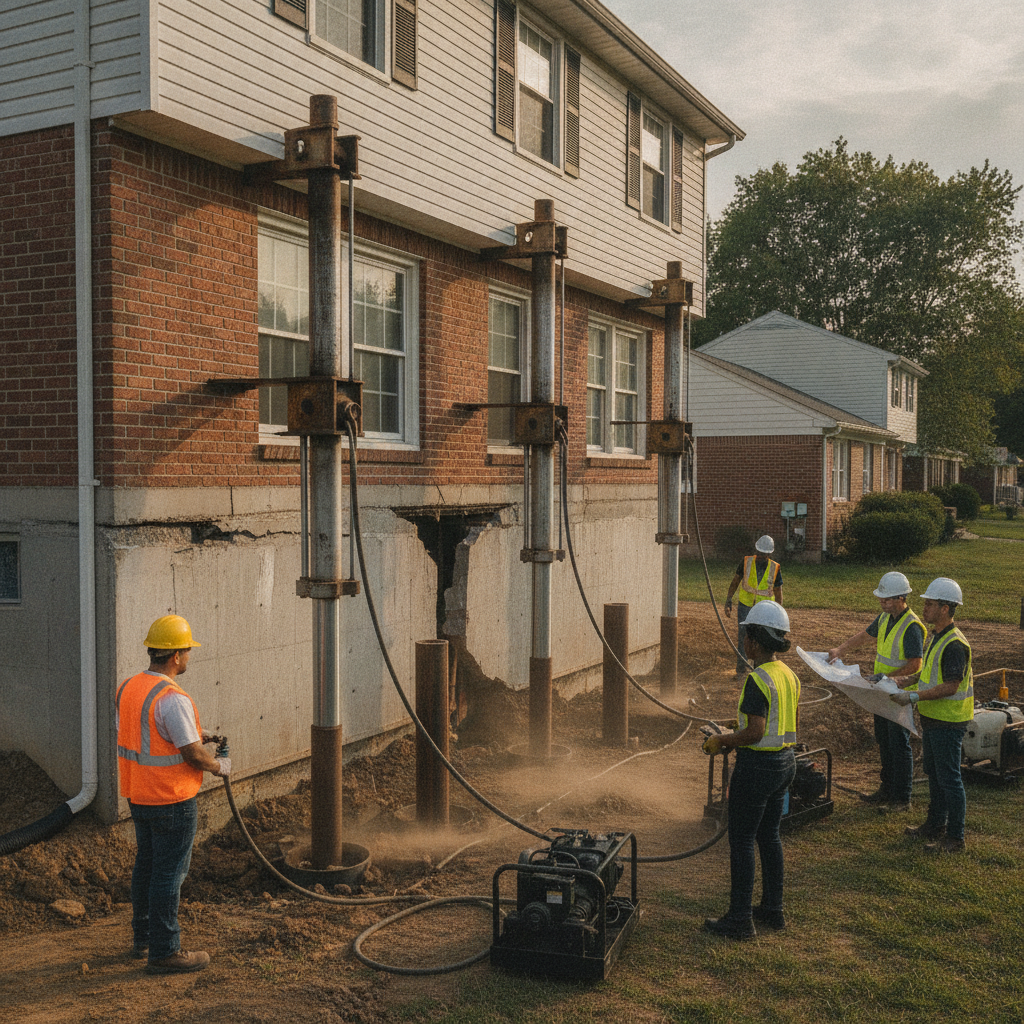
1. **Piering/Underpinning**: This is a widely used method for stabilizing and strengthening foundations. It involves driving steel piers deep into the ground until they reach stable soil or bedrock. Piering not only lifts the foundation back to its original position but also prevents future settling. You might say it gives your home a solid leg up!
2. **Slab Jacking**: For homes with concrete slabs, slab jacking is a viable option. This involves pumping a mixture of polyurethane or cement underneath the slab to lift it back into position. It’s a less invasive method compared to piering, and it can often be done in a day. Like magic, except you don’t need a top hat or wand.
3. **Wall Anchors**: If you’re dealing with bowing basement walls, wall anchors can provide the support needed to straighten them out. These involve installing metal rods through the walls and into the soil outside. They’re like braces for your house—giving it the support it needs to stand tall and proud.
4. **Hydraulic Lifting**: This technique is particularly useful for houses that have settled too low. Hydraulic jacks are used to lift the sunken foundation back to its original height, offering a robust solution for severe cases. Imagine it like your home getting a spa treatment, complete with a lift!
5. **Drainage Solutions**: Sometimes, the issue isn’t directly the foundation but rather the water pooling around it. Good drainage is crucial to protecting your foundation. French drains, gutter systems, and grading your yard away from the foundation can help keep the water where it belongs—away from your home’s base.
How to Choose the Right Foundation Repair Solution
Selecting the appropriate repair method can feel overwhelming, particularly when faced with multiple options and contractor recommendations. Here’s how to ensure you make an informed decision:
1. **Get Multiple Assessments**: Just like you wouldn’t choose the first car that looks shiny on a lot, don’t settle for the first contractor. Get multiple assessments from different companies to compare findings and recommendations.
2. **Research Contractors**: Look for licensed professionals with experience in foundation work. Read reviews, ask for references, and don’t hesitate to ask for portfolios of completed jobs. A little homework goes a long way.
3. **Consider the Long-Term**: While some repairs may seem cost-effective initially, ensure that they offer lasting solutions rather than temporary fixes. A band-aid on a broken leg just won’t cut it in the foundation world.
4. **Evaluate Your Budget**: Understanding the financial implications is essential. Get detailed estimates from contractors and assess what each method entails regarding both cost and potential future expenses.
5. **Don’t Rush**: Foundation work can be significant, and rushing into a decision can lead to costly mistakes. Take your time to weigh your options carefully.
Maintaining Your Foundation
Once you’ve got your foundation repaired, the work doesn’t stop there. Ensuring your home’s longevity requires regular maintenance and vigilance. Here are some tips to keep your foundation healthy:
– **Check Your Gutters**: Ensure your gutters are clean and functioning properly to prevent water from pooling near your foundation.
– **Maintain Landscaping**: Keep flower beds, mulch, and soil at least six inches below your siding to avoid water damage to your foundation.
– **Control Water Runoff**: Consider installing downspout extensions or a French drain to ensure water flows away from your home.
– **Monitor Cracks**: Even small cracks can indicate a shift, so keep an eye on them and consult a professional if they worsen.
– **Watch for Trees**: While trees can add beauty to your property, their roots can wreak havoc on foundations. Monitor any nearby trees for root growth and consider consulting an arborist if necessary.
Conclusion
Addressing foundation issues might seem daunting, but with the right knowledge and professional guidance, you can ensure your home remains a stable, secure haven for years to come. Remember to keep an eye out for signs of trouble, select the right repair strategy, and maintain your home diligently after the repairs. After all, a solid foundation isn’t just what keeps your house standing; it’s what allows your family to create memories within those walls. And who wouldn’t want to do that without the fear of an unexpected tilt?