
Transform Your Home: The Essential Guide to Effective Basement Waterproofing Solutions
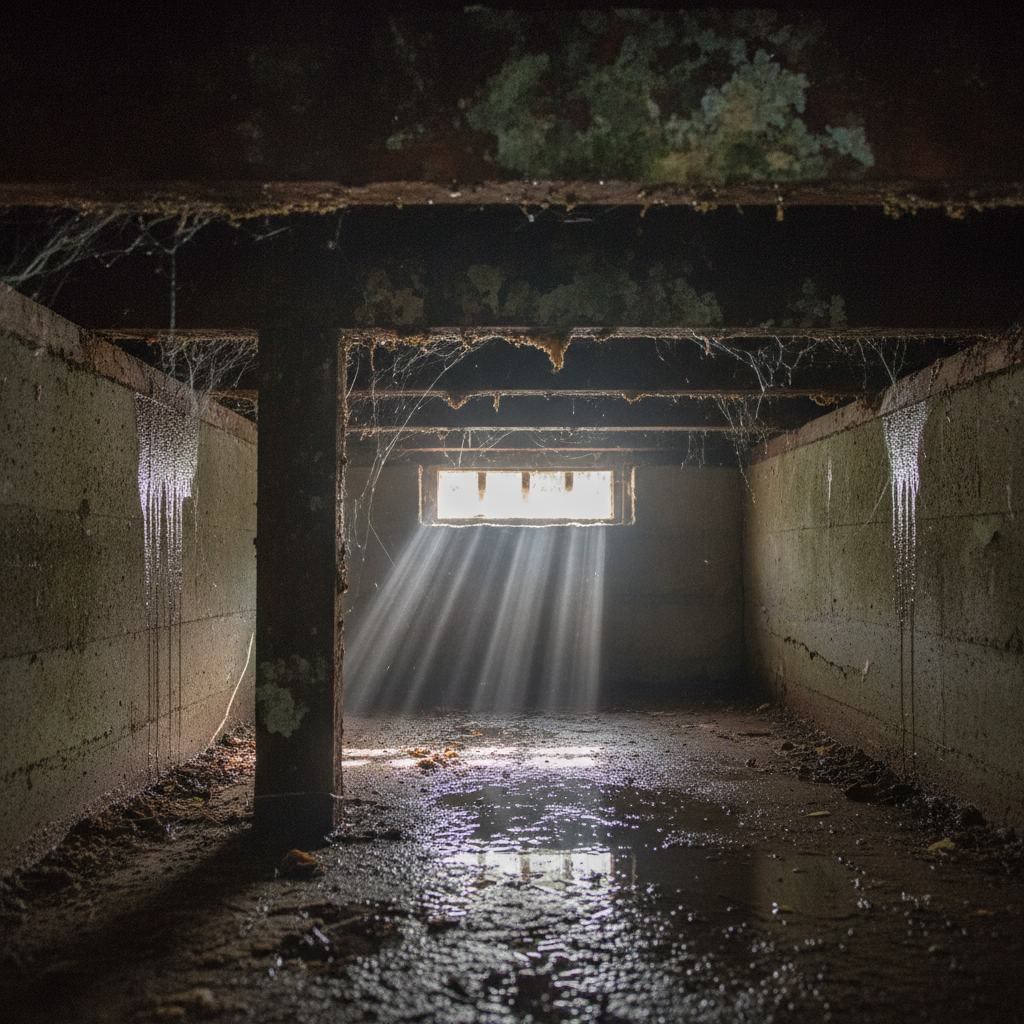
When it comes to home improvement, the basement often gets the short end of the stick. It’s dark, it’s damp, and let’s face it – it can feel a little spooky down there. But what if we told you that your basement could be transformed from a dank storage area into the ultimate sanctuary or rec room? Before you roll up your sleeves on that Pinterest-inspired renovation, there’s one crucial step you need to get right: waterproofing. Welcome to your essential guide on effective basement waterproofing solutions!
Why Waterproofing Matters
Imagine this: it’s a rainy night, and while you’re cozily tucked in bed, your basement is busy filling with water like a poorly designed kiddie pool. Not only does this damp haven lead to the dreaded mold growth, but it can also significantly decrease your home’s value. Trust us; potential homebuyers are not going to be charmed by the prospect of a swampy lower level.
Waterproofing your basement goes beyond just keeping things dry; it’s about protecting the entire structure of your home. Water intrusion can lead to foundational issues, damaging walls, and even creating an atmosphere hospitable to those pesky pests. So, whether you’ve got a wet basement or want to prevent future leaks, the time to act is now.
Understanding the Causes of Basement Water Issues
Before you unleash the waterproofing magic, it’s vital to understand why your basement might be susceptible to water issues in the first place. Here are a few culprits:
1. Poor Grading: If the ground around your home slopes towards the foundation instead of away from it, you’re asking for trouble. Water will naturally flow downhill, which means that your foundation could be soaking up all that rainwater.
2. Faulty Gutters: Clogged or damaged gutters can overflow, directing water straight towards your basement rather than redirecting it safely away. It’s like inviting a flood to your doorstep.
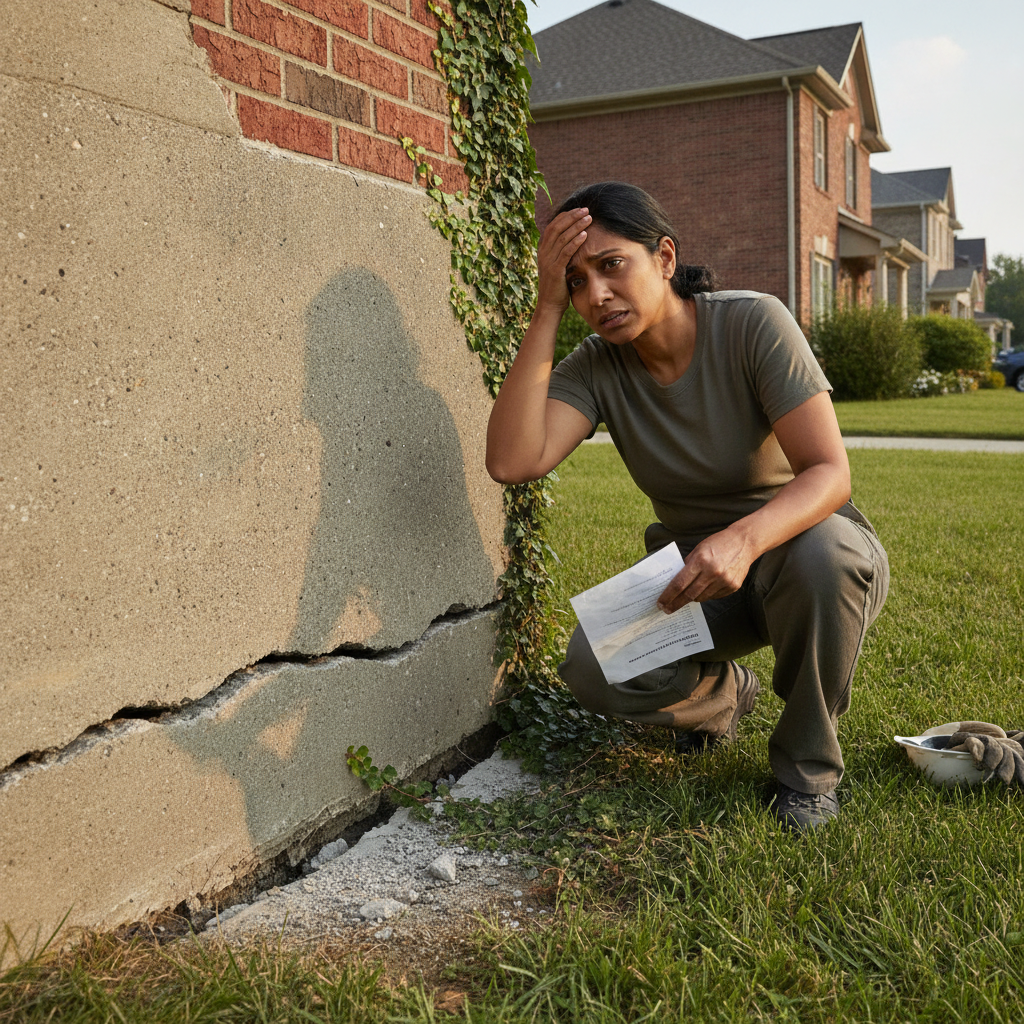
3. Cracks in Walls and Floors: Over time, small cracks can form due to settling or temperature changes. These cracks can allow water to seep in, especially during heavy rains.
4. High Water Table: If you live in an area with a high water table, moisture can naturally seep into your basement. Think of it as nature’s way of giving you an unwanted housewarming gift.
5. Lack of Exterior Drainage: Without proper drainage systems installed, excess water can pool around your foundation, leading to leaks and moisture buildup.
Now that we understand the reasons behind basement water woes, let’s dive into the solutions!
1. **Interior Waterproofing Solutions**
Interior waterproofing is often the first line of defense against basement flooding. Here are several strategies you can implement:
**a. Sealant Application**: Using a high-quality waterproof sealant on your basement walls and floors can provide an effective barrier against moisture. Just make sure to clean the surfaces thoroughly before application. Remember, you want this seal to be tighter than your cousin’s grip on the last cookie at the family gathering!
**b. Install a Sump Pump**: A sump pump can be a lifesaver for homes prone to flooding. This device sits in a pit in your basement and pumps out any accumulated water, preventing it from turning your lower level into a swimming pool. Make sure to check and maintain it regularly — nobody wants a lifeguard on duty when the storm hits!
**c. French Drains**: Installing a French drain system involves digging a trench around the perimeter of your basement, laying perforated piping, and covering it with gravel. This allows water to flow into the drain rather than seep through the walls. Think of it as giving your basement a moat, minus the dragons.
2. **Exterior Waterproofing Solutions**
While interior methods can help, exterior waterproofing is often the gold standard. Here are some options:
**a. Improve Grading Around the Foundation**: You may need to regrade your yard so that it slopes away from your house. Adding soil can often do the trick and helps ensure that water flows away from your foundation. A little landscape engineering can work wonders!
**b. Repair Gutters and Downspouts**: Ensure your gutters are clear and functioning correctly. Extend downspouts at least six feet away from your home to keep water from pooling near the foundation. It’s the difference between having a beautiful garden and a bog!
**c. Apply Waterproof Coatings**: For extra protection, consider applying waterproof coatings to the exterior walls of your foundation. These coatings can help seal any tiny cracks, giving your basement that fortified look reminiscent of medieval castles.
3. **Natural and Creative Solutions**
If you’re looking for alternative methods, you might be surprised to discover some natural solutions can help with moisture control:
**a. Plants and Dehumidifiers**: Certain plants can help absorb moisture from the air, making your basement feel less humid. Consider adding spider plants or peace lilies to your space. Meanwhile, a dehumidifier can significantly reduce humidity levels, turning your basement into a more pleasant area for activities.
**b. Ventilation**: Improving ventilation in your basement can help prevent moisture buildup. Look into installing vents or fans to keep the air moving. Think of it as giving your basement a refreshing breeze without the need for a beach vacation.
4. **Mold Prevention Tips**
Even with amazing waterproofing solutions in place, mold and mildew can still rear their ugly heads. Here are a few ways to keep those unwelcome guests at bay:
**a. Maintain Proper Temperature**: Keeping your basement at a consistent temperature can help inhibit mold growth. If it’s too hot and humid, you might find yourself hosting a mold convention.
**b. Regular Inspections**: Make it a habit to inspect your basement regularly for signs of moisture or mold growth. Catching these issues early can save you tons of headaches down the line.
**c. Invest in Mold-Resistant Products**: When making improvements to your basement, consider using mold-resistant drywall and paint. This can act as a barrier that helps prevent mold from finding a cozy new home.
5. **Knowing When to Call in the Professionals**
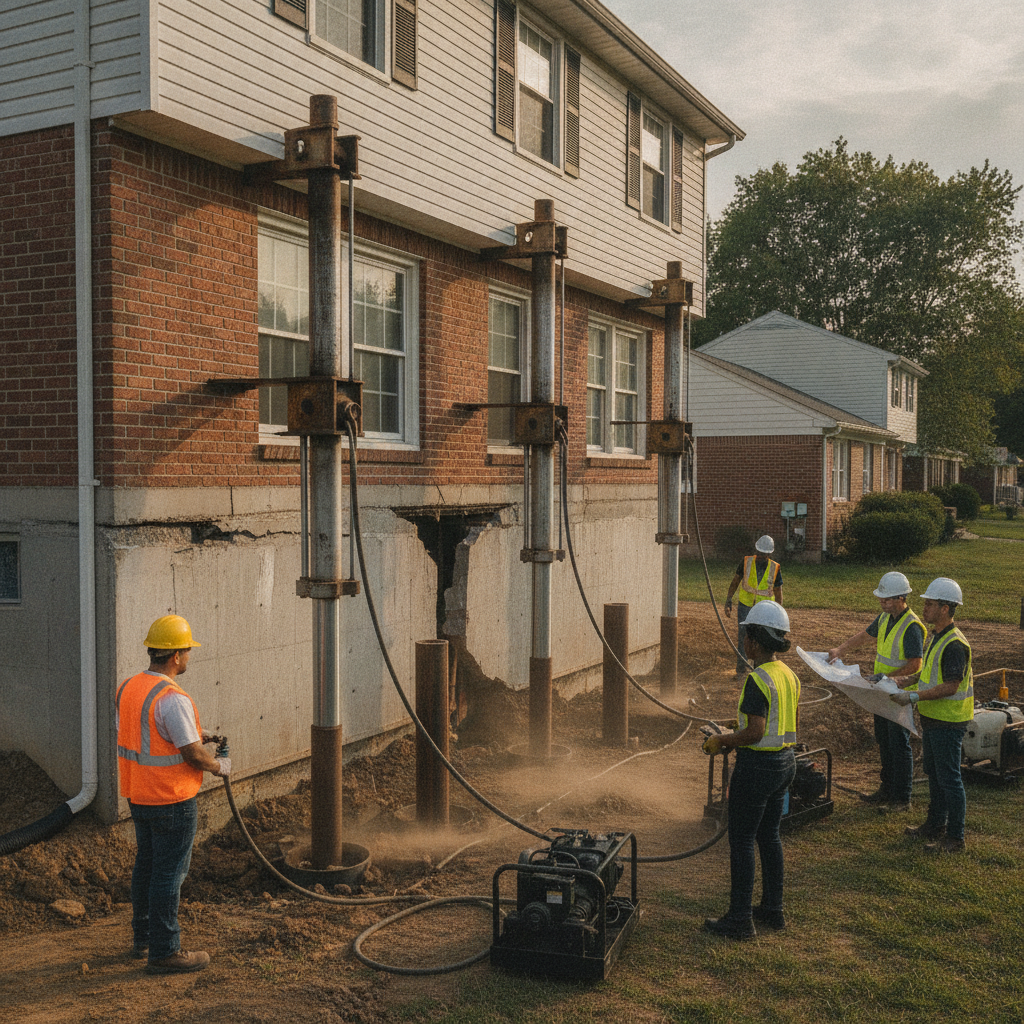
Sometimes, despite our best DIY intentions, we all encounter challenges that require a bit more expertise. If you’re dealing with significant water issues or structural concerns, it’s wise to consult with a professional waterproofing contractor. They can provide assessments and solutions tailored specifically to your home’s needs.
Conclusion
Your basement doesn’t have to be a land of despair and moisture-induced nightmares. With the right waterproofing solutions, you can create a dry, usable space that adds value to your home and comfort to your life. From simple sealants and dehumidifiers to complex drainage systems and professional help, there’s a solution out there for every situation.
So, roll up those sleeves and embrace the task of transforming your basement! Whether you’re diving into a full renovation or just making some improvements, remember that a dry basement is a happy basement. And who knows? Once it’s waterproofed and cozy, you might find yourself spending more time down there than you ever expected – whether that’s for family movie nights or simply enjoying your newfound sanctuary away from the daily hustle and bustle. Cheers to a transformed home!