
I was grabbing lunch with a client in Greensboro the other day, and we got caught in one of those classic North Carolina downpours. The kind that seems to come out of nowhere and floods the streets in minutes. He leaned over the table and said, “You know, every time it rains like this, I dread going into my basement.”
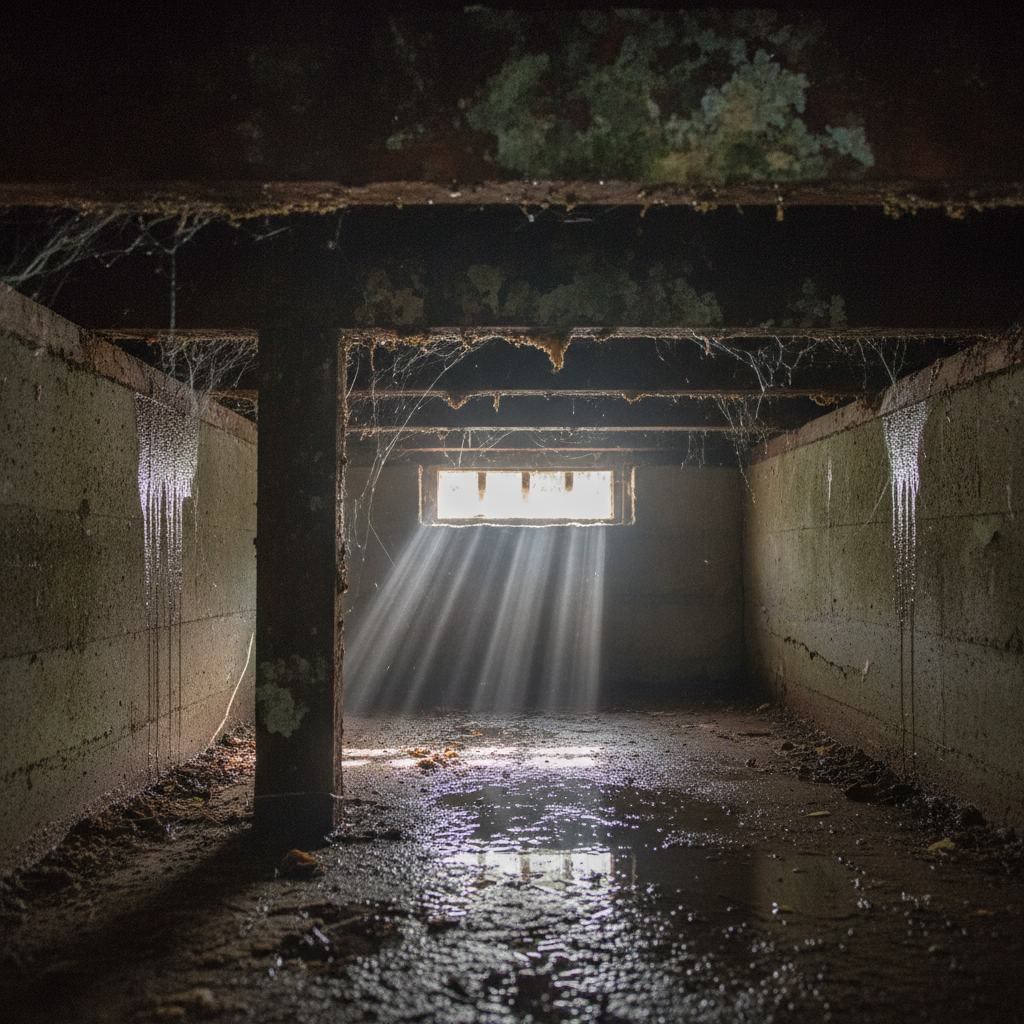
I knew exactly what he meant. That damp, musty smell. The dark stains on the concrete. Maybe even a little puddle forming in the corner. It’s a common story around here, and the culprit is almost always the same: hydrostatic pressure. It sounds like a complicated science term, but the idea is actually pretty simple. All that rain soaks into our famous red clay soil, and the ground gets heavy and saturated. That water has to go somewhere, and it starts pushing against your foundation walls with incredible force. That’s why you might be wondering how to stop hydrostatic pressure on basement walls in NC, because that constant push is what leads to leaks, cracks, and that awful damp feeling.
So, What’s Really Happening Down There?
Think of your basement as a boat in a swimming pool. When the pool (your yard) is full of water, that water is constantly trying to get into the boat. This is the hydrostatic pressure a basement constantly fights against. It’s not just a little moisture; it’s thousands of pounds of force pushing inward on your walls.
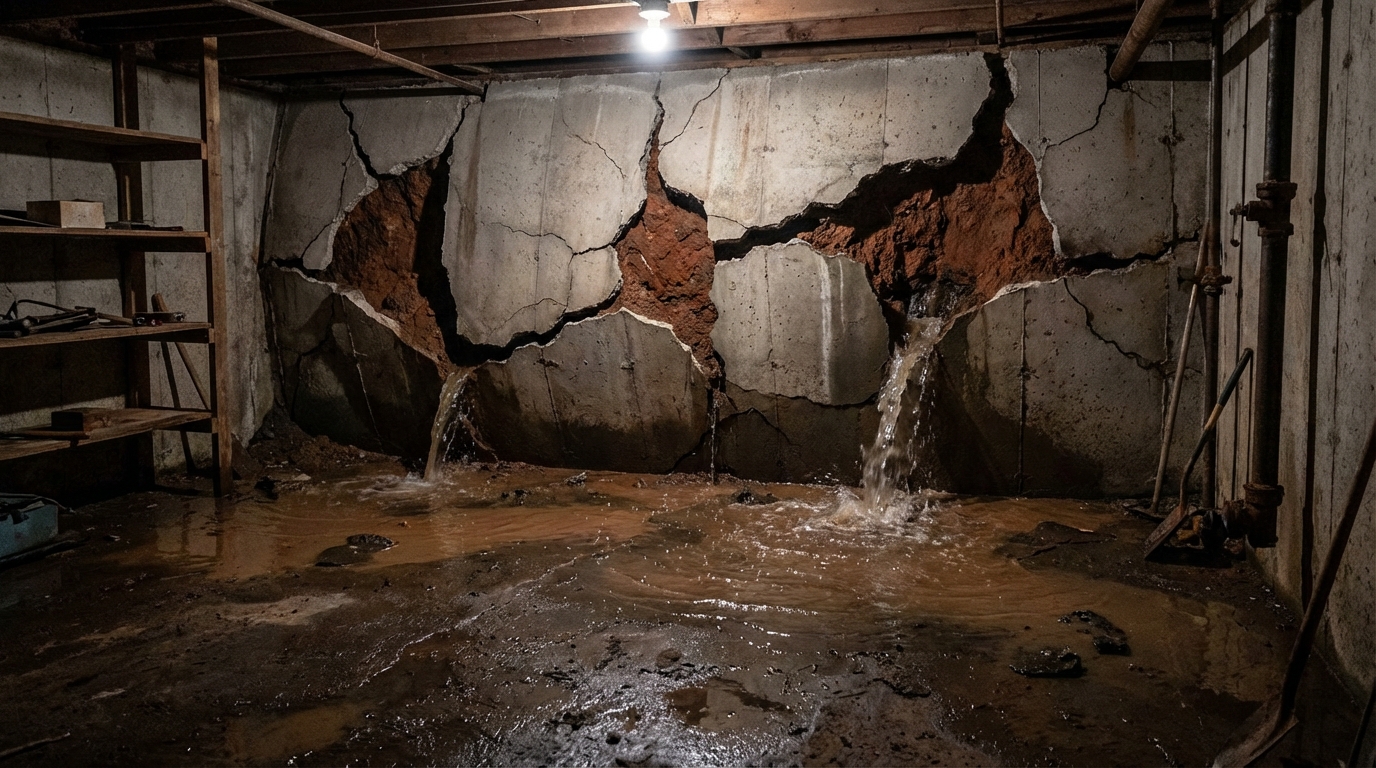
Ignoring it is a recipe for disaster. Over time, that pressure can:
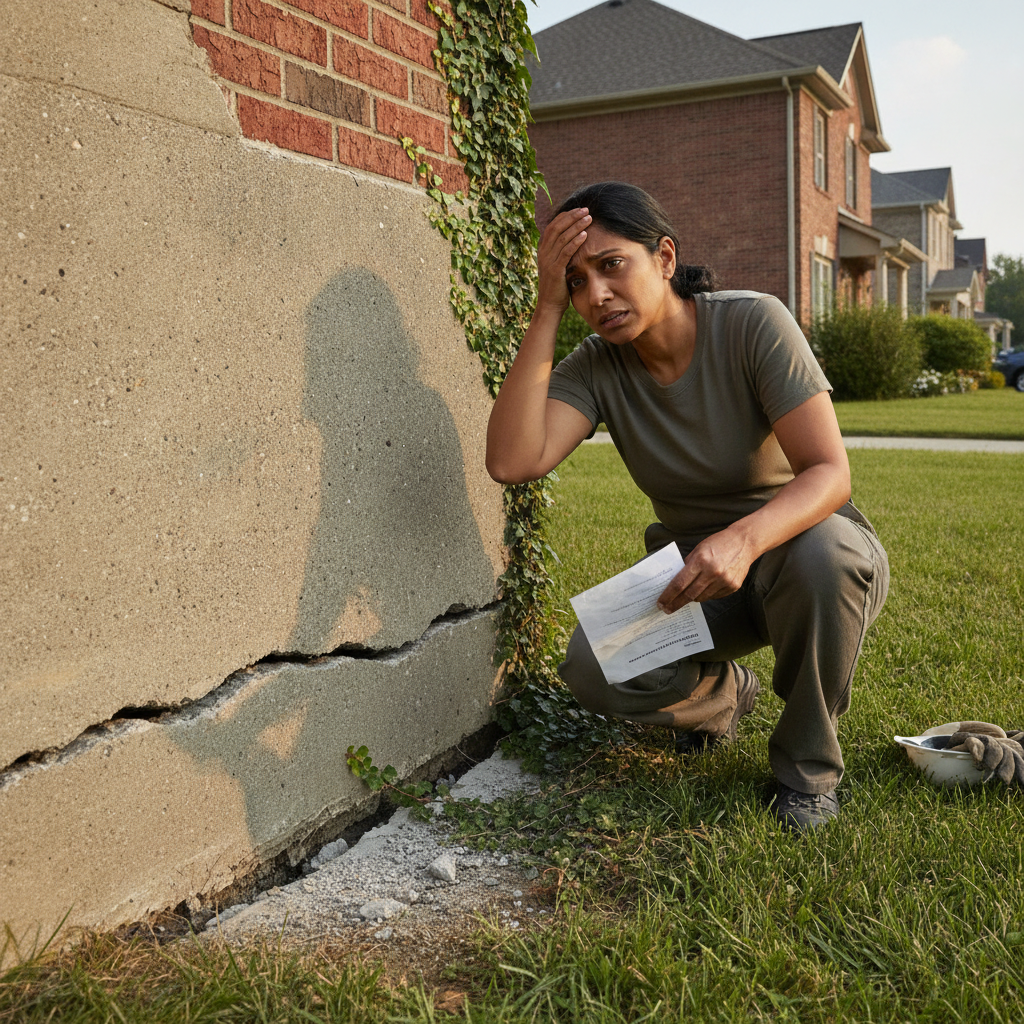
- Cause horizontal cracks in your foundation walls.
- Make your walls actually bow inward.
- Lead to water seepage, creating a perfect environment for mold and mildew (and honestly, it smells awful).
- Damage flooring, drywall, and anything you have stored down there.
The good news is that you don’t have to just live with a wet basement. You can fight back against that pressure.
Let’s Break Down the Fixes
When it comes to basement waterproofing in NC, we generally look at two main strategies: managing the water from the outside or managing it from the inside. Both have their place.
1. Exterior Waterproofing
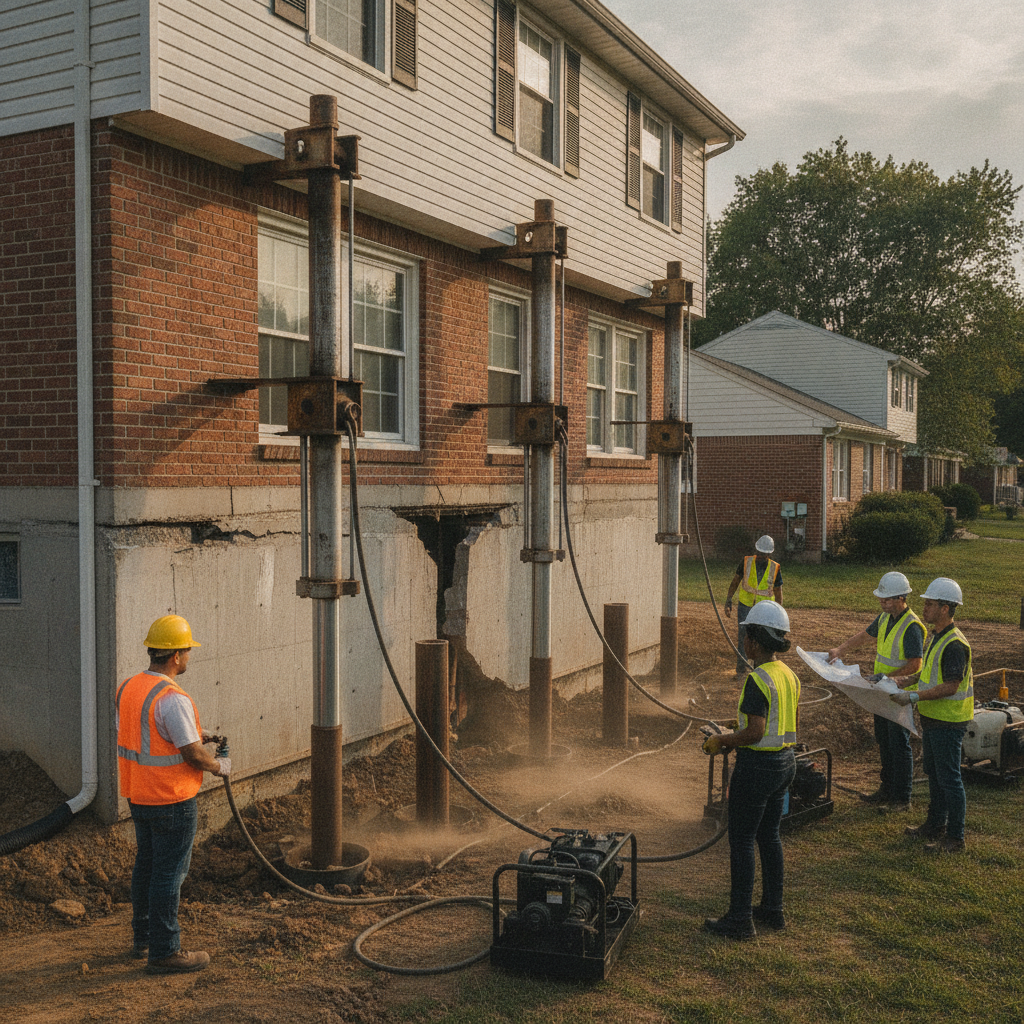
This is the big one. It involves excavating the soil around your foundation, all the way down to the footing. We then clean the wall, seal any cracks, and apply a heavy-duty waterproof membrane. It’s an incredibly effective method because it stops water before it ever touches your foundation. Think of it as putting a perfect raincoat on your house. It’s a more involved process, but for stopping water at the source, it’s the top dog.
2. An Interior Drainage System
This is often a more practical and less disruptive solution. Instead of trying to stop the water outside, an interior drainage system controls any water that does get through the wall. We install a specially designed channel along the inside edge of your basement floor. This channel collects any seeping water and directs it to a sump pump. The sump pump installation is key—it’s the heart of the system, automatically pumping the collected water out and away from your house.
A Quick Real-Life Moment
We worked with a family in Asheville last fall whose basement was basically unusable every time it rained. They had tried everything—painting on sealants, re-grading a little patch of their yard—but nothing worked. The water just kept coming in along one wall.
After checking things out, we knew an interior system was the perfect fit for their home and budget. We installed a drainage channel and a reliable sump pump with a battery backup. The very next month, they got hit with a huge storm. The homeowner called me the next day, practically ecstatic. He said, “I kept checking the basement, and it was bone dry. I could hear the pump kick on for a few seconds every now and then, just doing its job.” It completely changed how they felt about their own home.
The Big Takeaway
That constant pressure from our water-logged Carolina soil isn’t going to go away on its own. You can’t just hope it gets better. Whether it’s a full exterior waterproofing job or a cleverly designed interior system, taking control of the water is the only way to protect your home’s foundation and reclaim your basement space.
If any of this sounds familiar—the smell, the damp spots, the anxiety when you see rain in the forecast—it might be time to figure out a real plan for how to stop hydrostatic pressure on basement walls in NC. You don’t have to have all the answers. If you’re seeing the signs, give us a call at Piedmont Foundation Repair. We can take a look and show you exactly what’s happening and how we can make it right.