
I was grabbing coffee with an old friend the other day in Charlotte, the kind of friend who always has a home project going on. It’s October 2026, and the air here in North Carolina still holds onto that lingering humidity, you know? He was telling me about a strange smell he noticed in his house, almost like mildew, and how he was convinced his old `crawl space ventilation` system was doing its job. He’d seen those vents forever, figured they were helping air things out. But then he started wondering, “Are those things actually working, or are they just… there?”
The Real Scoop on Crawl Space Ventilation in North Carolina
Funny enough, his question is one I hear a lot, especially living in a place like `North Carolina` where the `humidity` can feel like a warm, wet blanket for half the year. For a long time, the thinking was: put vents in the crawl space, let the outside air circulate, and everything will be fine. It sounds logical on paper, right? Fresh air in, stale air out.
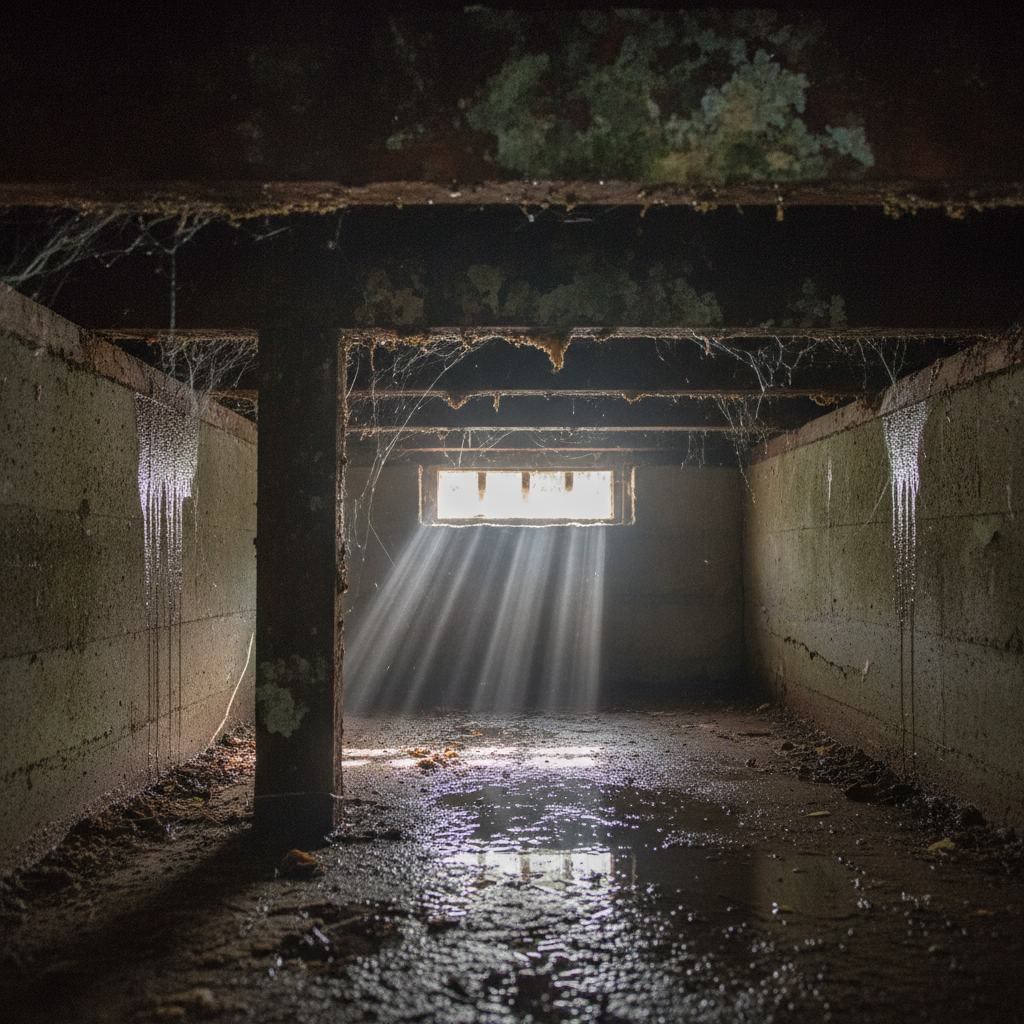
But here’s the kicker, and it’s something I learned a while back talking to the folks at Piedmont Foundation Repair. When you have a hot, humid summer day (or even a warm, muggy fall day like we get), and that air flows into a cooler crawl space, what happens? Condensation! It’s like when you bring a cold drink outside on a hot day – that glass sweats. Well, your crawl space can “sweat” too, leading to all sorts of `moisture` problems.
What I didn’t expect was how much damage that seemingly innocent ventilation could actually cause. Instead of drying things out, those vents often just bring in more moisture, trapping it down there. And honestly, who wants a damp, musty space under their home?
What Happens When Moisture Takes Over?
When you’ve got too much moisture hanging around in your crawl space, it’s not just about a weird smell. That dampness can invite some unwelcome guests and cause some serious headaches for your home:
- Mold and Mildew Growth: This is probably the most common. Mold loves damp, dark places, and once it starts, it can really take hold. Not only does it smell bad, but it can also impact indoor air quality.
- Pest Infestations: Spiders, cockroaches, termites, rodents – they all love a moist environment. A damp crawl space becomes a five-star hotel for pests.
- Wood Rot: The wooden beams and floor joists supporting your home can start to rot when exposed to continuous moisture. This can lead to sagging floors upstairs.
- Higher Energy Bills: A damp crawl space makes your HVAC system work harder to cool or heat your home, as it’s constantly fighting against the moisture and temperature fluctuations from below.
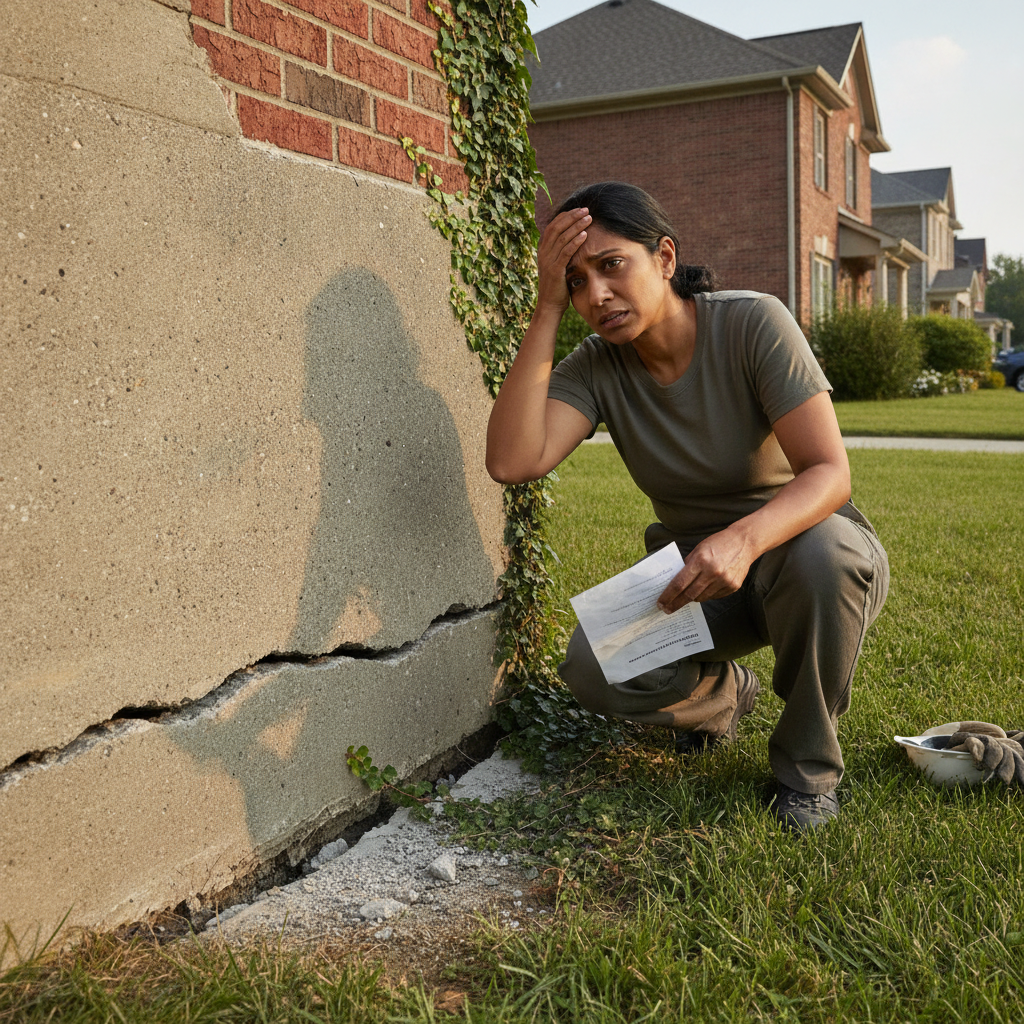
- Foundation Issues: Believe it or not, excessive moisture can even contribute to `foundation issues` over time by impacting the soil stability around your home’s foundation.
So, those vents that were supposed to help? They can actually be part of the problem here in the Southeast.
A Real-Life Moment: The Switch to Encapsulation
I remember talking to a couple, Sarah and Mark, who live near Greensboro. They had a charming older home, but every time it rained, their crawl space got super musty. They had vents, but the problem just kept getting worse. Their hardwood floors upstairs started to creak and even cup a little in spots. (Like, who knew a crawl space could cause so much drama with your pretty floors?)
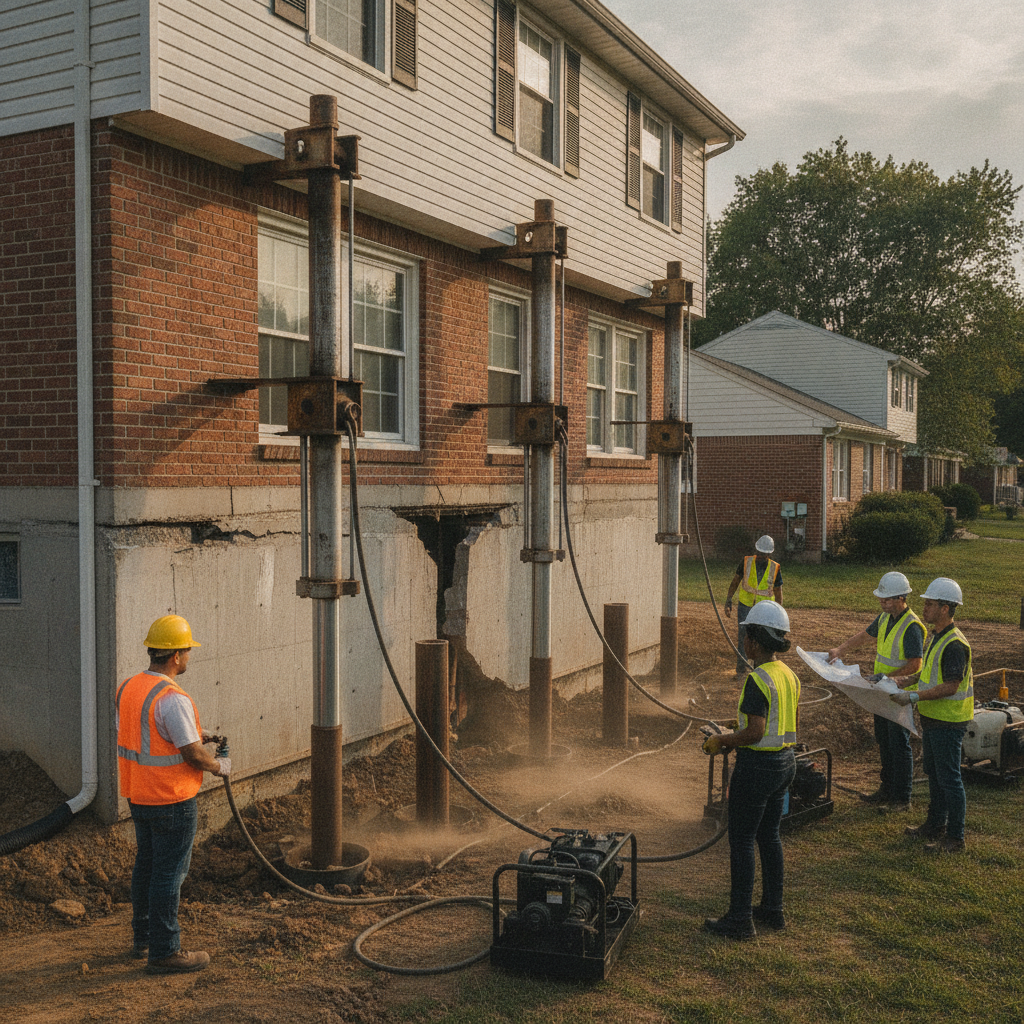
They called Piedmont Foundation Repair, and the team came out for an inspection. They explained that their traditional `crawl space ventilation` was basically bringing in all that humid air, causing condensation and leading to the wood rot they were experiencing. The solution? `Crawl space encapsulation`.
Piedmont Foundation Repair sealed off the vents, installed a heavy-duty vapor barrier on the ground and walls, and put in a dehumidifier. Within a few weeks, the musty smell was gone. Their floors stabilized, and they even noticed their power bills went down. Sarah told me it felt like their house could finally breathe properly again. It’s pretty amazing the difference a well-done encapsulation can make.
What You Can Do Next
If you’re like my friend and wondering if your `crawl space ventilation` is doing more harm than good, especially here in North Carolina, it’s worth taking a closer look. I don’t claim to be a meteorologist, but I know enough about our climate to tell you that managing moisture under your home is crucial.
The best first step is to get an expert opinion. Companies like Piedmont Foundation Repair specialize in assessing crawl spaces and can tell you exactly what’s going on down there. They can help you understand if traditional ventilation is failing you and whether a modern solution like crawl space encapsulation might be right for your home.
Let’s be real for a second, a healthy crawl space means a healthier, more comfortable home for you and your family. Don’t let hidden moisture cause big problems. It’s worth the peace of mind.