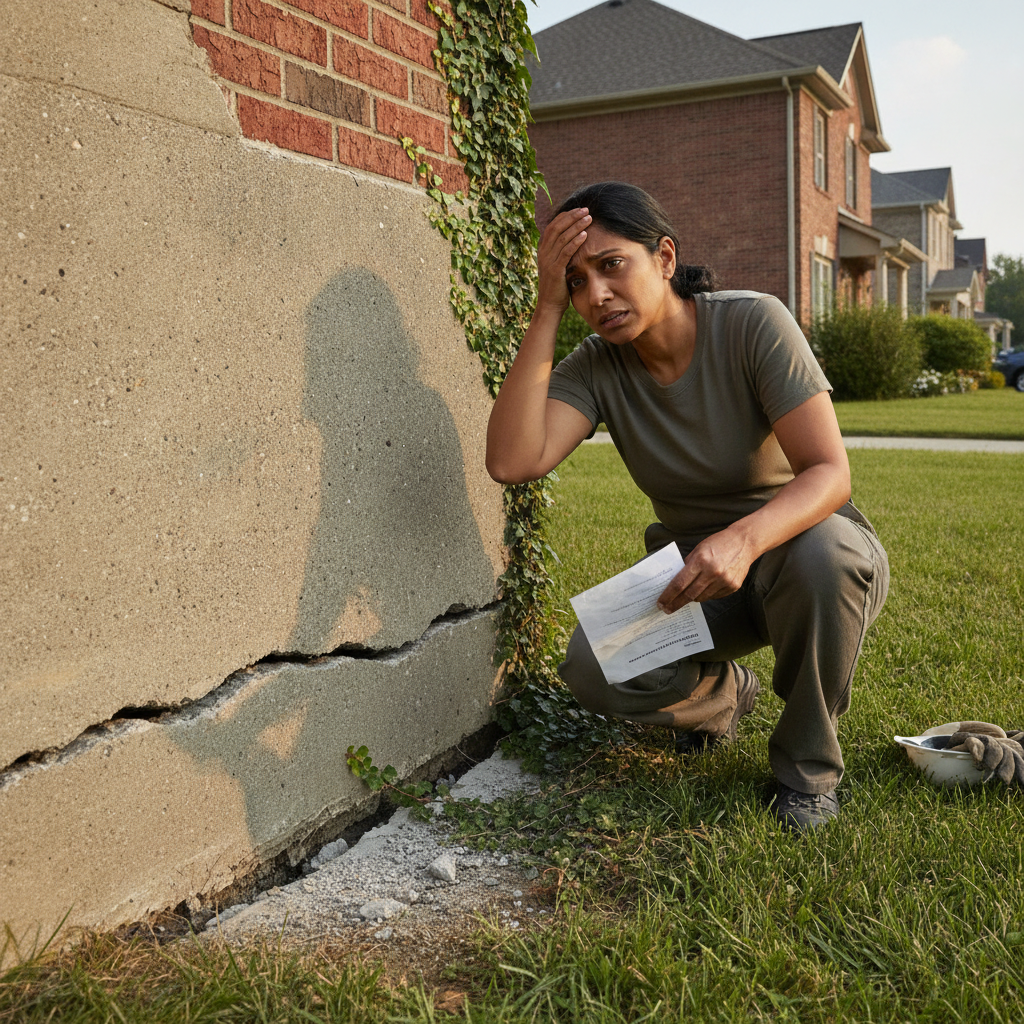

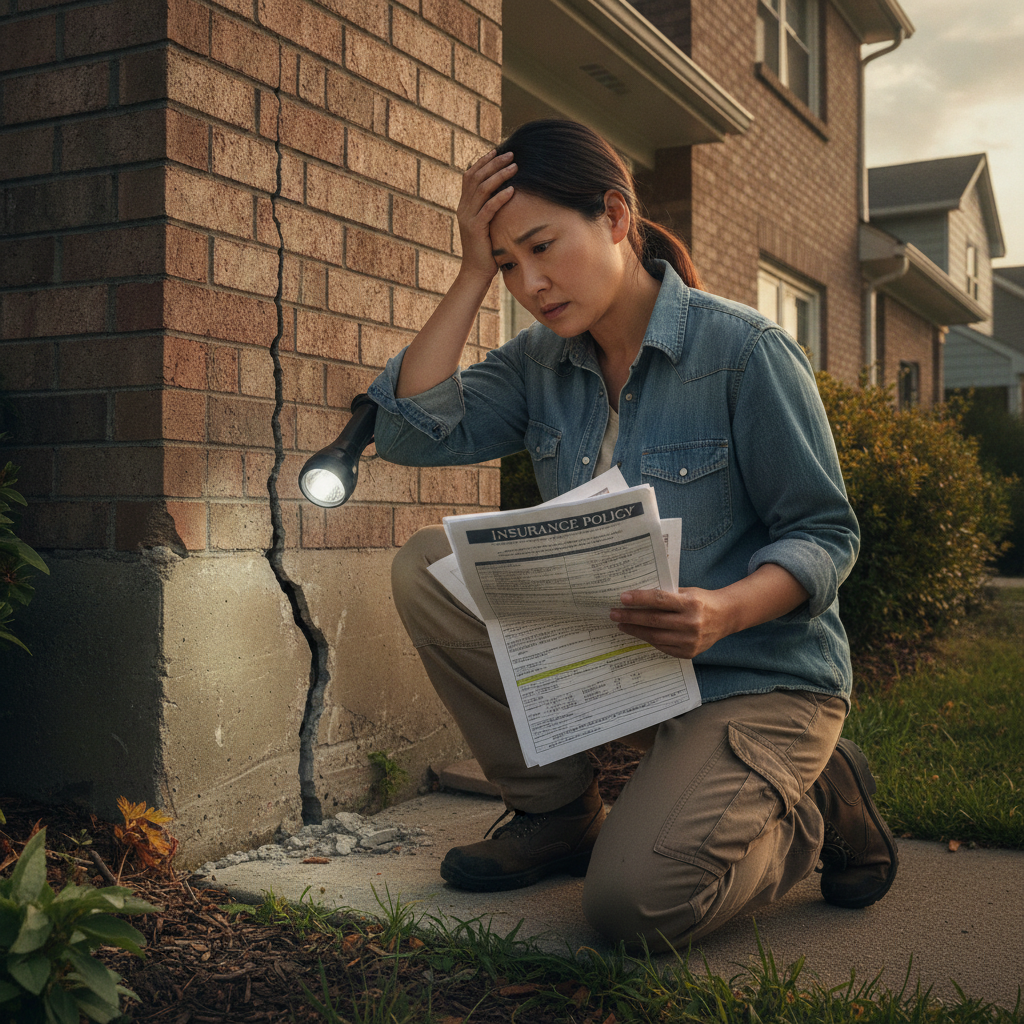
I was grabbing a coffee in downtown Greensboro the other morning, just catching up with an old college buddy, Mark. He looked a little stressed, and when I asked what was up, he told me he’d found some unsettling cracks in his home’s foundation. “And now,” he sighed, “I’m trying to figure out what foundation damage is covered by homeowners insurance in North Carolina. It’s like reading a foreign language!”
Honestly, I don’t know everything about insurance, but I definitely felt for him. Foundation problems are no joke, and the last thing you want is to be caught off guard when it comes to repairs.
Why Your Foundation (and Its Insurance) Matters
Let’s be real for a second: your home’s foundation is, well, foundational. It holds everything up! When you start seeing cracks, bowing walls, or doors and windows that stick, those aren’t just cosmetic issues. They’re usually signs of deeper structural issues that can get really expensive, really fast.
The scary part is, many homeowners just assume their regular homeowners insurance NC policy will swoop in and cover any damage. But here’s the kicker: it often doesn’t, or at least not entirely. It really depends on what caused the damage in the first place, and that’s where the fine print in your policy becomes super important. You might think you’re covered, only to find out there’s an exclusion.
Understanding Your Homeowners Insurance Coverage for Foundation Damage
So, what can you do? Here’s what I told Mark, and what I’d tell anyone facing similar worries:
- Dig Out Your Policy (Like, Right Now): Seriously, don’t wait. Find your actual insurance policy documents. They might be physical papers or a PDF online. You need to read the “Exclusions” section carefully.
- Know the “Cause” Game: Homeowners insurance typically covers damage that is “sudden and accidental.” Think things like a burst pipe causing water damage to your foundation (if the pipe itself is covered). What’s usually NOT covered?
- Earthquakes (usually requires a separate policy)
- Floods (again, separate flood insurance needed)
- Settling, cracking, shrinking, bulging, or expansion of pavements, foundations, walls, floors, roofs, or ceilings (this is a big one and often specifically excluded)
- Poor maintenance (if you let a leaky gutter go for years and it caused erosion, that’s on you)
- Soil movement due to natural causes over time, like clay soil expanding and contracting in North Carolina’s humid summers and drier winters (it’s considered “earth movement” and often excluded).
- Document, Document, Document: If you find damage, take photos and videos immediately. Keep a log of when you noticed it. This evidence is crucial if you need to file a claim.
- Get a Professional Opinion: Before you even talk to your insurance company, it’s smart to get an assessment from a foundation repair expert. They can tell you exactly what’s going on and what likely caused it. This report can be invaluable when discussing with your insurer.
A Real-Life Moment
My cousin, Sarah, who lives near Asheville, had a similar scare last year. She noticed her brick veneer had a strange stair-step crack, and she was sure her insurance coverage would handle it. Her policy, like many, excluded “earth movement.” But here’s the twist: it turned out her issue was actually due to poorly drained soil near her foundation, which her policy considered a maintenance issue, not a sudden event. (Yeah, it can get complicated fast.)
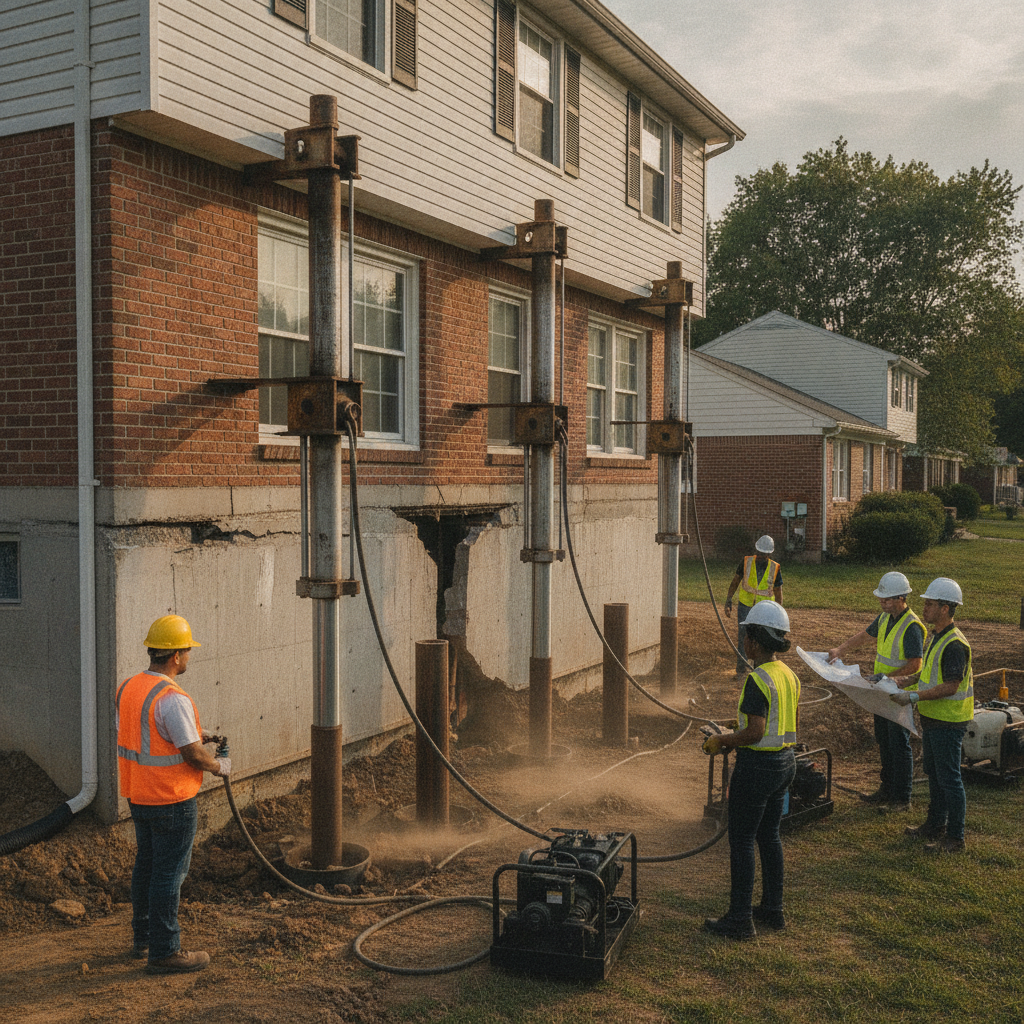
She was heartbroken, thinking she was on her own. Luckily, she called Piedmont Foundation Repair. They did a thorough inspection, explained exactly what was happening with her specific soil type (common in North Carolina, actually), and gave her a clear plan for repair. While insurance didn’t cover the full cost, having a clear diagnosis and a trusted expert like Piedmont helped her understand her options and prioritize the necessary work without getting overwhelmed.
What You Can Do Next
So, if you’re like Mark or Sarah, and you’re wondering about your own home’s foundation, don’t just guess. Pull out that policy. Talk to your insurance agent to clarify any specific exclusions. And then, seriously, get a pro to look at any suspicious cracks or issues.
For North Carolina homeowners, understanding what foundation damage is covered by homeowners insurance in North Carolina is step one. Step two is getting solid answers from people who fix foundations every day. Experts like the team at Piedmont Foundation Repair can inspect your home, explain the actual cause of the damage, and give you honest advice on what needs to be done. It’s all about being informed and prepared, so you can protect your biggest investment.